32 Hoax Bomb Threats Disrupt a Dozen Airlines Over Four Days
At least 32 bomb threats targeting 12 airlines over four days were confirmed as hoaxes, triggering military escorts, mid-air inspections, and flight diversions. Experts suggest the coordinated incidents may be linked to hybrid warfare.
A wave of at least 32 bomb threats targeted a dozen airlines across Europe over a four-day period, prompting widespread emergency responses before all alerts were confirmed as hoaxes. 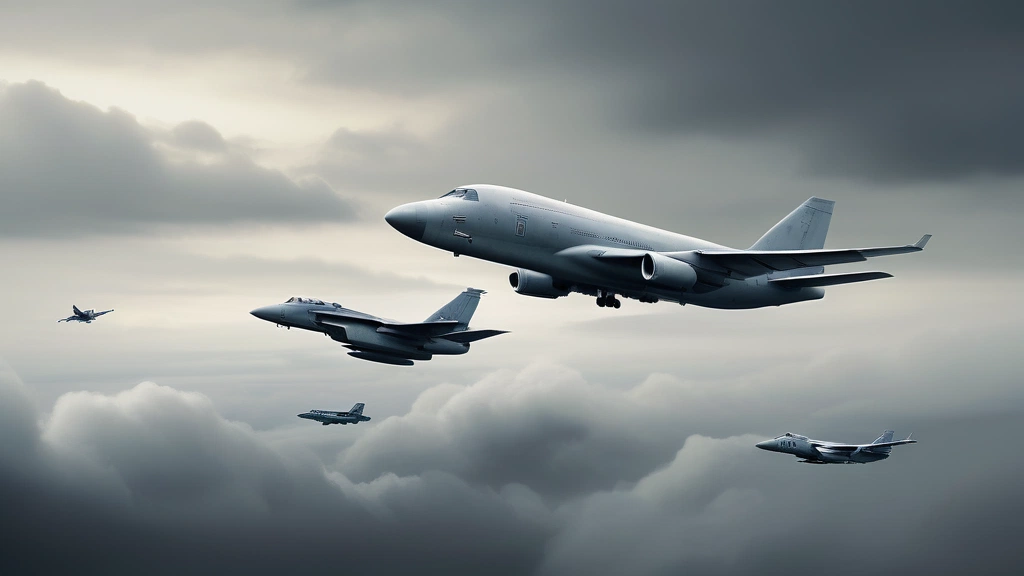
The threats forced carriers to activate strict safety protocols. Emergency measures included military jet escorts, mid-air inspections conducted by cabin crew, and the re-routing of flights to different airports or countries. In one instance, an Aer Lingus flight was compelled to land at an airbase 1,000 kilometers from its intended destination after running low on fuel during the disruption.
Aviation security expert Paul Mason suggested the incidents bear the hallmarks of hybrid warfare. He noted that the threats appeared coordinated and could potentially involve proxies operating with plausible deniability. Emails indicated that an extremist misogynist group claimed responsibility for some of the incidents, though the group's founder denied any involvement. No credible intelligence has identified the perpetrators.
While the disruptions directly affected only a few thousand passengers due to the safety protocols followed by airlines, carriers face potential financial costs from the emergency actions required. Passengers caught up in the disruptions are unlikely to receive refunds, as the incidents were not the fault of the airlines. 
Under the Aviation Security Act 1982, intentionally communicating false information that endangers aircraft safety is a criminal offense carrying a maximum sentence of life imprisonment.