Housing Affordability Crisis Deepens in Canada, Statistics Reveal
New data from Statistics Canada shows a rise in households spending over 30% of income on housing and experiencing financial difficulty due to costs. The Atlantic provinces face severe pressures with low average incomes.
Recent data released by Statistics Canada highlights a worsening housing affordability crisis across the country. In 2024, 23.2 per cent of Canadian households were classified as living in unaffordable housing, defined as spending 30 per cent or more of their income on housing costs. This represents a 1.2 percentage point increase from 2022.
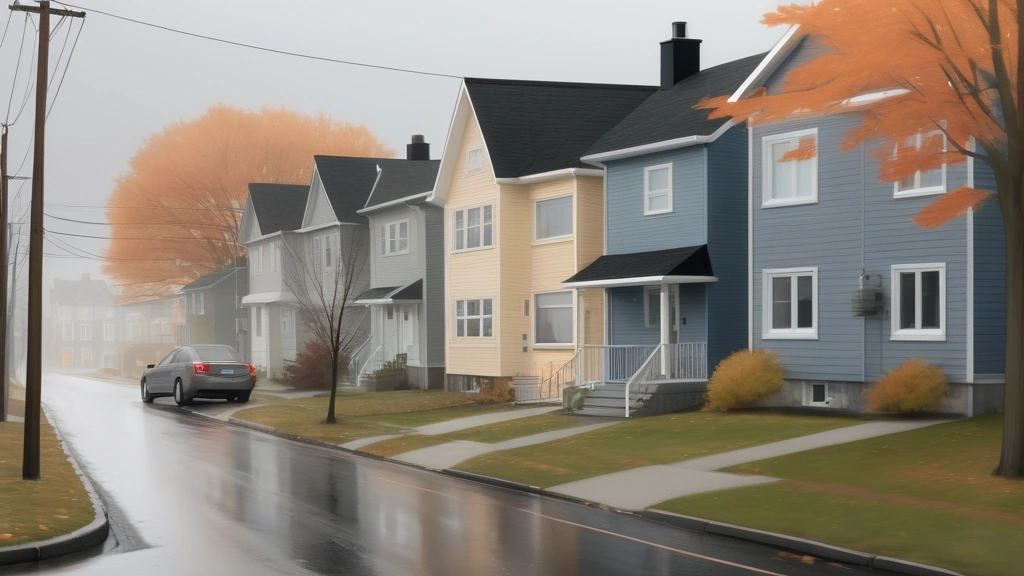
The financial strain extends beyond just high rent or mortgage payments. The statistics reveal that 27.9 per cent of households experienced financial difficulty within the last year specifically due to housing costs. This figure marks a significant five percentage point rise since 2022.
Residents in the Atlantic provinces are feeling these pressures acutely. Average household incomes in this region range from $100,000 to $108,000, which is among the lowest in Canada. Consequently, many residents report severe affordability challenges. Wendy Gatchell, a Halifax resident, noted that many people, including her own children, are paying almost half of their income toward housing.
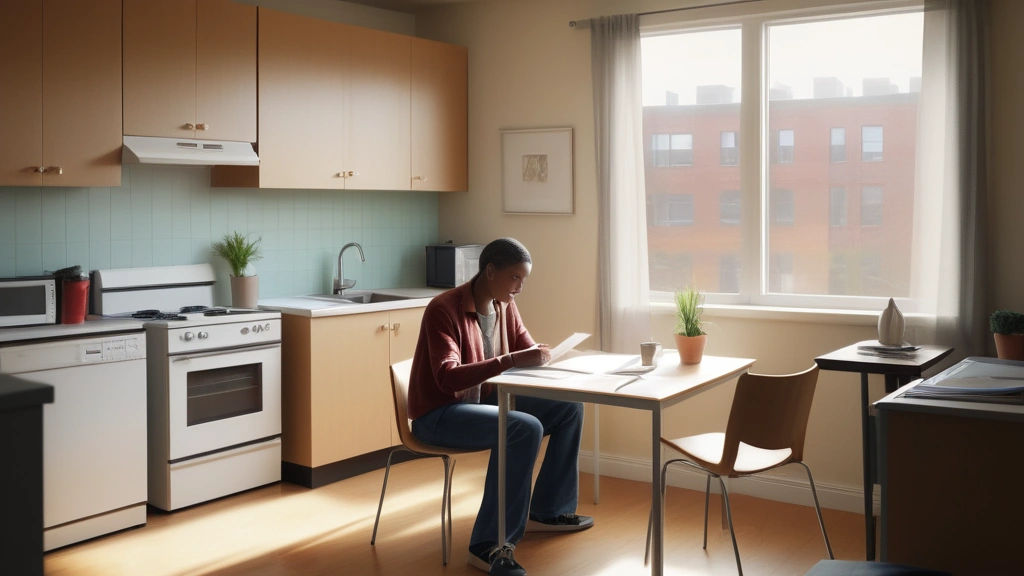
The impact of these costs has led to various coping mechanisms and stressors. There has been an increased sharing of living spaces among family members and strangers. Seniors are considering downsizing but express fear about entering the rental market. Additionally, some residents are contemplating relocation to other cities, such as Vancouver, in search of better options, though this comes with its own set of challenges.
Bruce Sellery, CEO of Credit Canada, reported receiving daily calls from individuals struggling with unmanageable debt related to housing stress. The inability to save money remains a critical issue for affected households, contributing to high levels of stress across the population.