Stelco to Indefinitely Idle Hamilton Operations Amid U.S. Tariff Impact
Stelco Holdings Inc. announced it will indefinitely idle its cold-rolled and coated operations at the Hamilton Works plant in Ontario, citing market contraction caused by U.S. tariffs on Canadian steel. The move, beginning October 9, is expected to impact up to 500 employees, with union leaders estimating approximately 350 layoffs in Hamilton.
Stelco Holdings Inc. has announced plans to indefinitely idle its cold-rolled and coated operations at its Hamilton Works plant in Ontario, Canada. The company cited a significant market contraction driven by U.S. tariffs on Canadian steel as the primary reason for the decision.
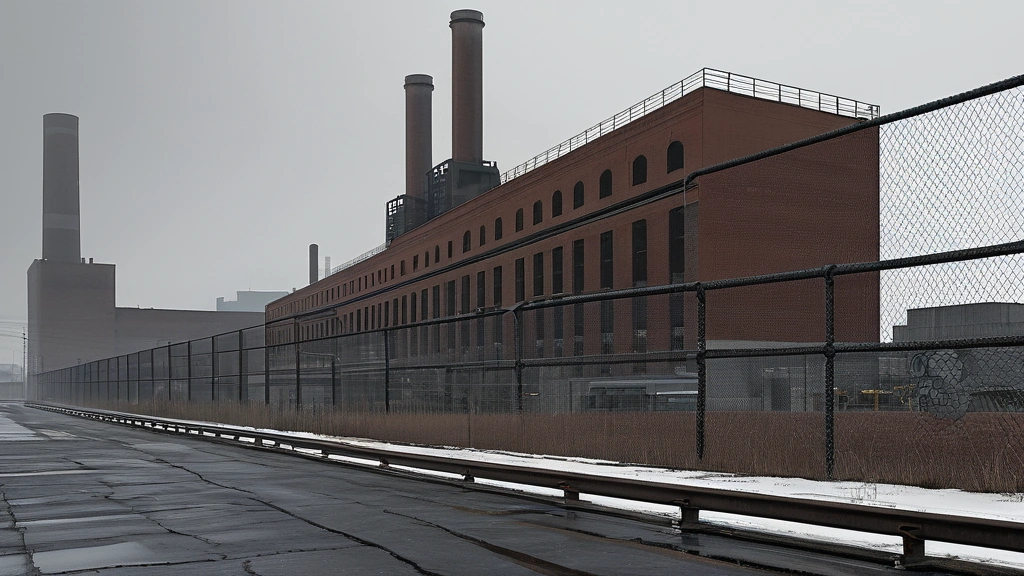
Operations at the Hamilton facility are scheduled to begin winding down on Oct. 9. Stelco stated that the move is necessary for the company's survival amidst a challenging trade environment, specifically pointing to President Donald Trump’s imposition of 50 percent tariffs on Canadian steel imports. According to the company, the markets for cold-rolled and galvanized steel contracted by almost 25 percent in the second quarter compared to average levels seen in 2024.
The idling decision is expected to impact up to 500 employees across both the Hamilton Works and the Lake Erie Works facilities. Ron Wells, president of United Steelworkers Local 1005, estimated that approximately 350 steelworkers will be laid off in Hamilton.
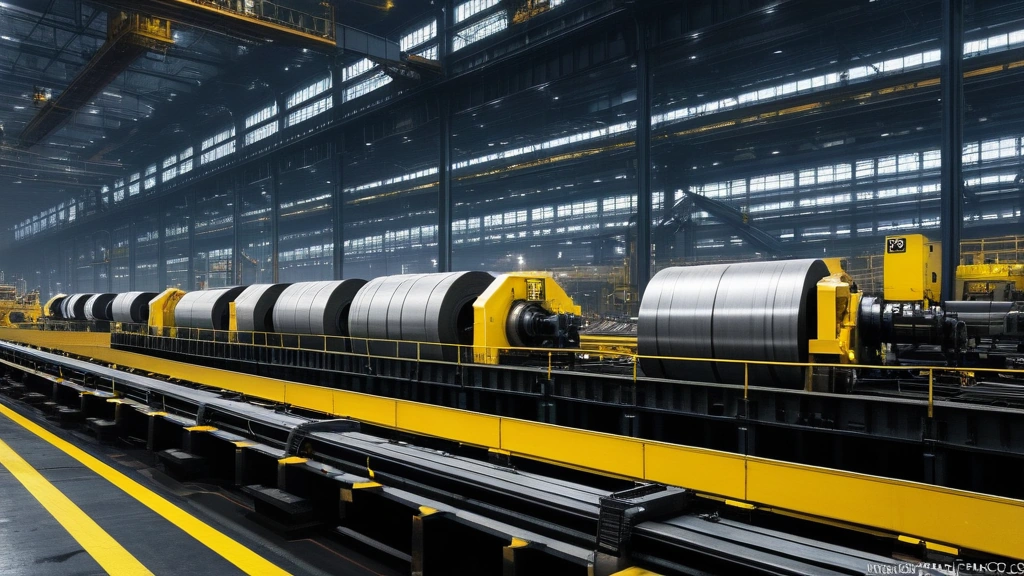
Stelco indicated that it plans to concentrate production at its Lake Erie Works facility in Haldimand/Nanticoke, Ontario. The company noted that while the total tonnage of steel produced will not be affected, the product mix will shift toward hot-rolled steel products. However, union leaders have criticized the lack of sufficient absorption opportunities for displaced workers. Wells noted that only 46 job opportunities at Lake Erie Works were offered to the 350 Hamilton workers facing layoffs.
This development follows Cleveland-Cliffs’ acquisition of Stelco in a $3.4-billion deal that closed in November 2024. Union representatives and political figures have expressed concern over the failure of government counter-measures to fully protect the industry from the impacts of the trade disputes.