Nova Scotia Expands Air Quality Regulations to Cover 26 Pollutants Starting June 1
Nova Scotia's updated Air Quality Regulations, announced on April 16, 2026, will take effect on June 1, increasing the number of regulated air pollutants from six to 26. The changes mark the first substantive update since 1995 and follow federal data ranking the province first in Canada for greenhouse gas emissions reductions.
On April 16, 2026, Nova Scotia Minister of Environment and Climate Change Timothy Halman announced that updated Air Quality Regulations will take effect on June 1, 2026. The regulations increase the number of regulated air pollutants from six to 26, marking the first substantive update to the province's air quality rules since 1995.
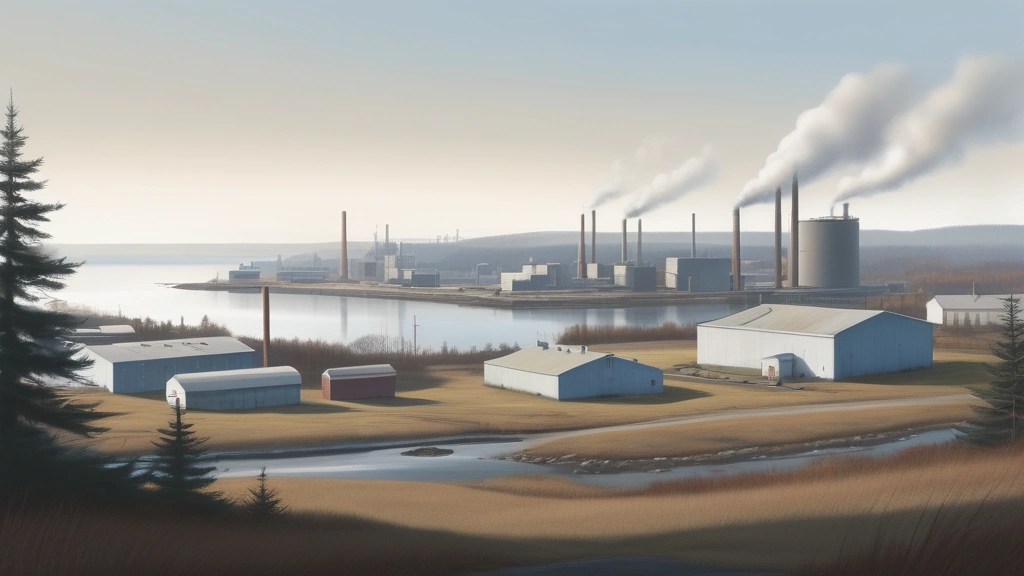
The 26 newly regulated pollutants include acrolein, ammonia, arsenic, benzene, benzo(a)pyrene, cadmium, carbon monoxide, chromium (hexavalent), cobalt, copper, dioxins and furans, formaldehyde, lead, manganese, mercury, nickel, nitrogen dioxide, coarse particles, fine particles, total suspended particles, phenol, selenium, sulphur dioxide, total reduced sulphur, vanadium, and zinc. Work to update the regulations began in 2022, informed by the 2021 Global Air Quality Guidelines developed by the World Health Organization. Consultation on the proposed changes began on June 8, 2022, which was Clean Air Day.
The Department of Environment and Climate Change operates seven monitoring stations and a network of small air-quality sensors across the province to track conditions.

The announcement followed federal government data released on April 15, 2026, which indicated that Nova Scotia ranked first in Canada for greenhouse gas emissions reductions based on 2024 reporting. The province remains on track to reach its goal of reducing emissions by 53 per cent below 2005 levels by 2030.