Dalhousie Study Warns Drought Is No Longer an Anomaly in Nova Scotia
A Dalhousie University study published in late November finds that drought has become a recurring reality in Nova Scotia, with more frequent and severe dry spells since 2016. Researchers urge residents to rethink water availability as the province's geology limits storage capacity and farmers increasingly explore irrigation systems.
A new study from Dalhousie University, published in late November, concludes that Nova Scotians should no longer view drought as an anomaly. Historical patterns analyzed by researchers show that dry conditions in the province have become more frequent and severe. 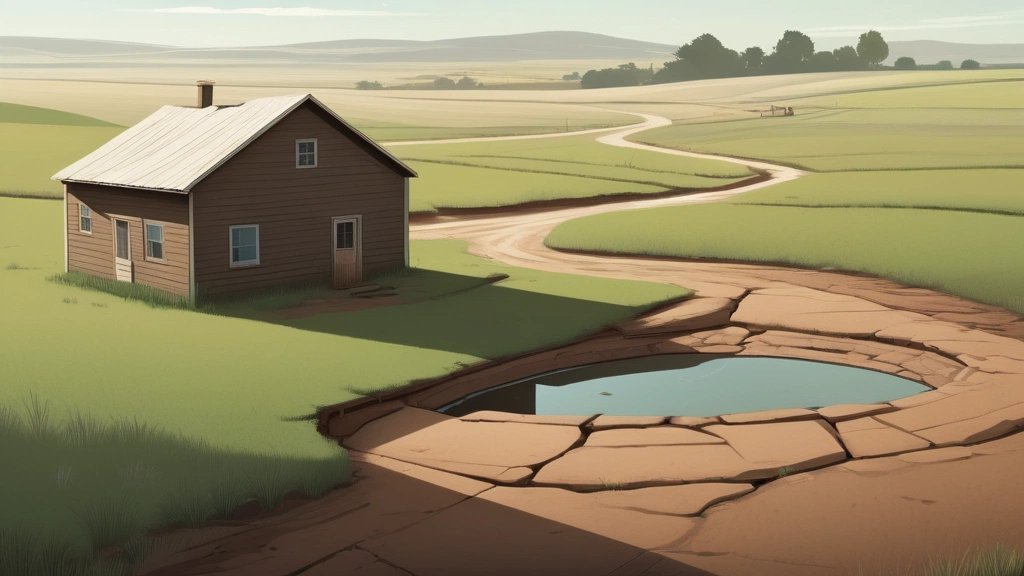
The research found that Nova Scotia has experienced more extensive and persistent dry spells since 2016, with pronounced drought conditions typically arriving in the fall. Severe droughts in 2016, 2023, and 2025 have heightened concerns about water scarcity, particularly among farmers.
Lead author Armita Motamedi stated that Nova Scotians generally view water as always available and lack the adaptive capacity seen in arid regions like Iran. The study emphasizes the need for residents to shift their mindset away from viewing water as an inexhaustible resource.
Nova Scotia's underlying geology has a low capacity to store water, causing surface streams and dug wells to dry up quickly during prolonged dry spells. Communities relying on wells face reduced water availability as a result. Groundwater in the province takes longer to replenish than surface water, sometimes requiring more than a year.
To secure long-term water supplies, researchers suggest property owners consider drilling deeper wells or installing domestic cistern systems.
The agricultural sector has been significantly affected. Emily Lutz, executive director of the Nova Scotia Fruit Growers' Association, reported that the 2025 drought left growers "scarred" and increased active exploration of irrigation systems. Farmers are now exploring irrigation systems more actively than ever following the widespread drought. 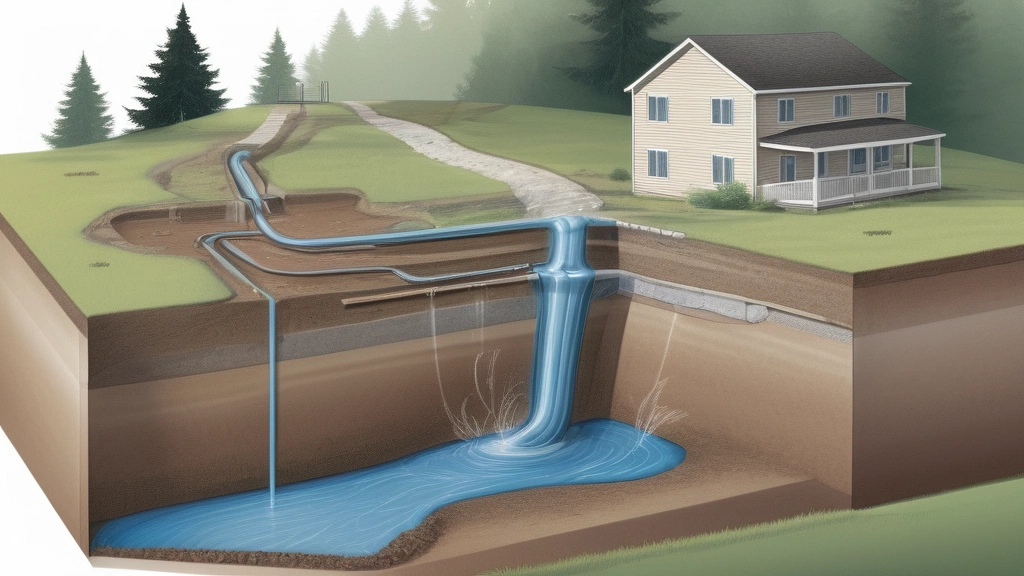
The provincial government has acknowledged the shifting climate landscape. In a report last year, the Nova Scotia Department of Environment and Climate Change identified drought as a recurring reality alongside flooding and wildfires. The department provides tools for climate resilience, including funding for community water supplies and an online portal to monitor water resources.