Study Finds Nighttime Surface Feeding Increases Collision Risk for Endangered Right Whales
A new study from Dalhousie University reveals that critically endangered North Atlantic right whales feed closer to the surface at night, raising their risk of vessel strikes. With a population of approximately 384, these whales face significant threats from collisions and fishing gear entanglements.
Critically endangered North Atlantic right whales are feeding closer to the ocean’s surface at night, a behavior that significantly increases their risk of being struck by boats, according to a recent study out of Dalhousie University in Halifax.
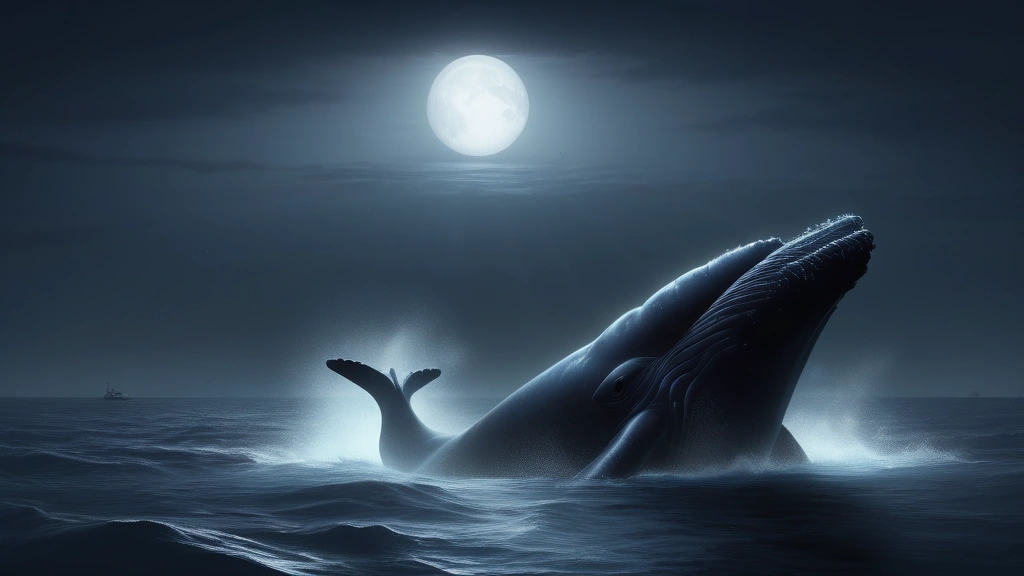
The research team, led by Jay Kirkham, tagged 23 right whales in the Gulf of St. Lawrence. By analyzing video footage from the tags alongside a machine-learning algorithm designed to recognize feeding behaviors, the scientists documented this nighttime surface activity. The data revealed that the whales were feeding within the same depth range as large vessels during the night, creating a hazardous overlap.
Vessel strikes and entanglements in fishing gear remain the leading causes of death for the species. The North Atlantic right whale population is currently estimated at approximately 384 individuals, making every loss critical to the species' survival.

Protection measures for the population are overseen by Transport Canada and the Department of Fisheries and Oceans. These agencies enforce various strategies, including vessel exclusion zones, speed limits, and seasonal closures to fishing activities, aiming to mitigate the risks identified in the new findings.