Study: Greenland and Antarctic Ice Sheets Lost 11.3 Trillion Tonnes Since 1979
A new international study involving researchers from Uppsala University reveals that the Greenland and Antarctic ice sheets lost approximately 11.3 trillion tonnes of ice between 1979 and 2023, contributing to a global mean sea-level rise of over 3 centimeters.
A comprehensive international study, featuring researchers from Uppsala University in Sweden, has determined that the Greenland and Antarctic ice sheets collectively lost approximately 11.3 trillion tonnes of ice between 1979 and 2023. This massive loss of ice mass has contributed to a global average sea-level rise of more than 3 centimeters.
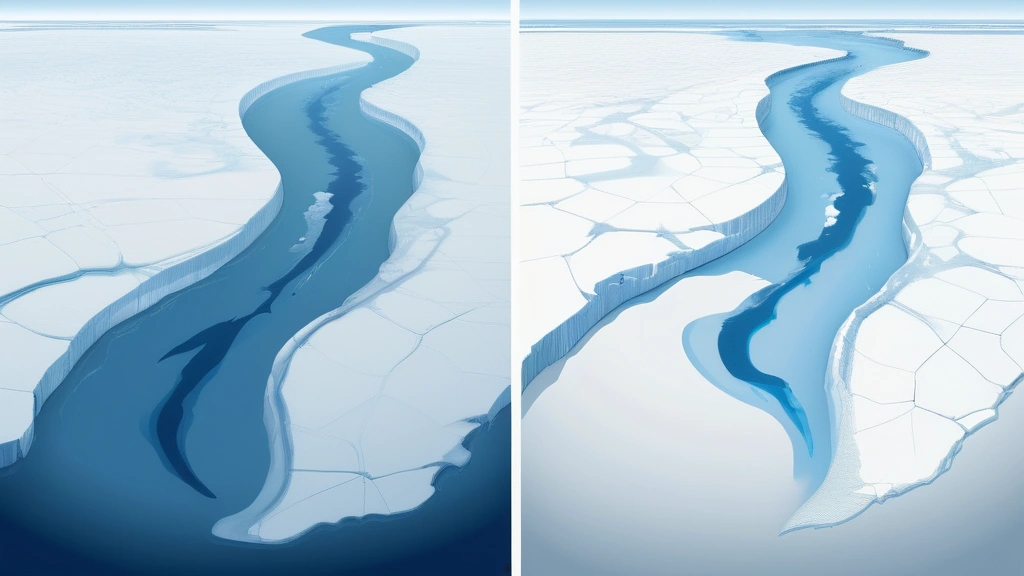
The findings, published in the academic journal Scientific Data, were derived by synthesizing data from 27 satellite missions and integrating them with regional climate models. The research team analyzed 42 independent estimates to track ice mass changes, with 23 estimates focusing on Greenland and 19 on Antarctica.
The study highlights a significant acceleration in ice loss over the decades. In the 1980s, Greenland’s average annual ice loss was approximately 60 billion tonnes. By the 2010s, this figure had risen sharply to about 264 billion tonnes per year. Similarly, Antarctica’s average annual ice loss increased from roughly 48 billion tonnes in the 1980s to about 202 billion tonnes in the 2010s. Among the Antarctic regions, Southwest Antarctica experienced the most substantial ice mass loss.

While recent years have shown a slight reduction in loss rates, attributed to anomalously high snowfall in East Antarctica and cooler summers in Greenland, researchers caution against misinterpreting these fluctuations. They emphasize that individual year variations do not signify a reversal of the long-term trend of accelerating ice loss driven by higher summer temperatures and widespread surface melting.