Over 5,000 Nova Scotia School Support Workers Set to Enter Legal Strike Position on Oct. 26
More than 5,000 school support workers across Nova Scotia, including 256 in the Tri-County region, will be in a legal strike position on Oct. 26 after 10 months of negotiations between eight CUPE locals and provincial education centres reached an impasse. Contingency plans include shifting older students online and cancelling busing services.
More than 5,000 school support workers across Nova Scotia will enter a legal strike position on Oct. 26 as negotiations between eight Canadian Union of Public Employees (CUPE) locals and regional centres for education, along with the Conseil scolaire acadien provincial (CSAP), near an impasse.
Nelson Scott, chairman of the Nova Scotia School Board Council of Unions, noted that negotiations have been ongoing for 10 months. Andrew Weaver, president of CUPE local 964, stated that the province is refusing to recognize the school board council as the bargaining agent for provincial issues.
The workers involved in the dispute include school custodians, transportation staff, and tradespeople such as carpenters, plumbers, electricians, oil burner technicians, mechanics, and motor vehicle body repairers. Teachers are not part of the labour dispute. In the Tri-County region alone, 256 employees could potentially be in a strike position.
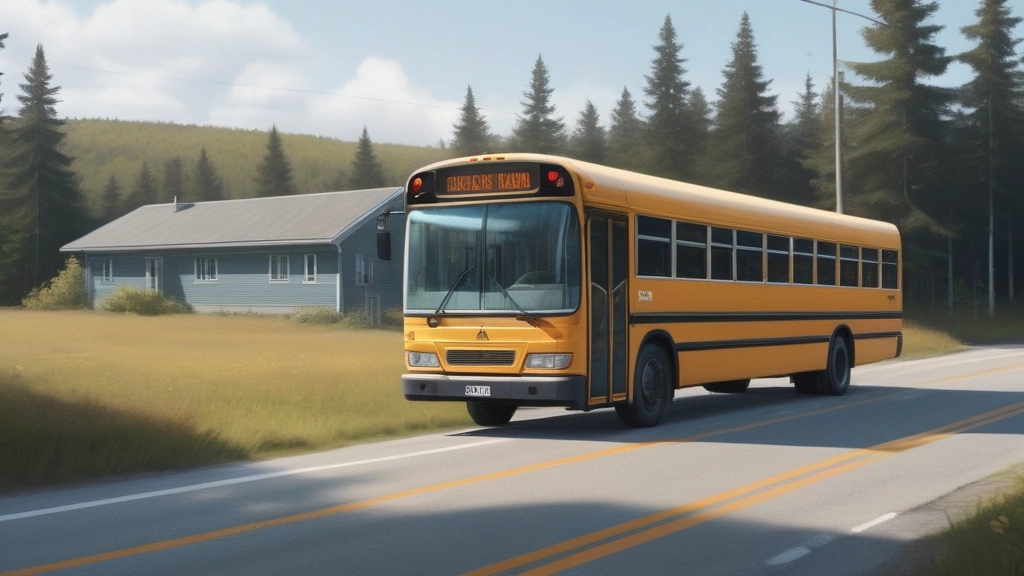
Regional education authorities have developed contingency plans in anticipation of the job action. TCRCE regional executive director Jared Purdy stated that a CUPE strike would result in pre-primary to Grade 6 students continuing to attend school in person, while Grade 7 to 12 students would shift to online learning. A CUPE strike at TCRCE would also result in no centre-provided transportation to and from schools.

CSAP communications co-ordinator Stéphanie Comeau said busing would be cancelled in the Clare, Argyle, Pomquet, and South Shore regions during a strike. Additional impacts outlined in contingency planning include the potential suspension of extra-curricular activities and evening or weekend school use in CSAP regions, concerns that classrooms may get dirty and students may go without necessary supports, and deferred maintenance piling up.