Trade Tensions Fuel Canada's Push for Digital Sovereignty
Amidst intensifying trade and political friction with the United States, Canadian experts and government officials are increasingly focusing on digital sovereignty. This concept refers to Canada's ability to regulate its own digital environment and maintain control over data and technology independent of foreign influence. Recent events, including failed trade negotiations and symbolic geopolitical moves, have highlighted vulnerabilities in Canada's reliance on U.S. tech giants like Microsoft.
The definition of digital sovereignty has become a central topic in Canadian policy discussions. Experts describe it as the capacity to regulate digital environments using domestic tools and ensuring that Canadian law applies to online activities. The federal government further defines this sovereignty as maintaining control over Canada’s own digital future, including data, technology, and essential online services, rather than relying on foreign companies or laws.
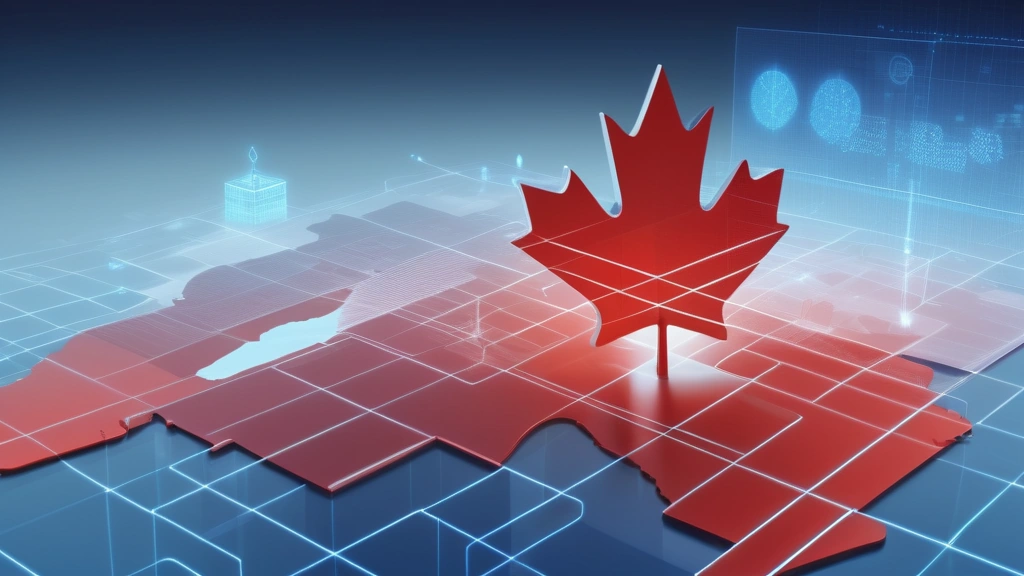
This push for independence comes amid heightened tensions between Ottawa and Washington. In mid-August, trade talks between Canada and the U.S. reportedly fell apart due to American insistence that U.S. streaming companies be exempt from Canadian content rules. Following this breakdown, President Donald Trump signed an executive order renaming Lake Ontario to "Lake America." This change was quickly implemented by Google and Apple Maps for American users and became visible to some Canadians, underscoring how foreign policy decisions can directly impact local digital experiences.
A significant driver of these sovereignty concerns is Canada's heavy reliance on U.S. big tech companies for government infrastructure. A study on the federal government's AI Register found that Microsoft was the single biggest supplier of systems, accounting for 42 out of 409 entries. This dependency dates back years; in April 2019, the federal government renewed its agreement with Microsoft in a deal worth $940 million over seven years. It is noted that while the contract itself originated in 2019, webpage information regarding the agreement was refreshed in 2026.
In response to these vulnerabilities, the Canadian government released its National AI Strategy in June. The strategy pledges to develop a home-grown supercomputer and sovereign cloud, along with AI, cyber, and quantum initiatives. Additionally, the federal government released five principles for data centre construction, requiring projects to strengthen Canada's long-term digital resilience and adhere to Canadian cybersecurity and data protection laws.

Canadian experts point to France as a potential model for reducing dependency. In April, France announced it would remove Microsoft's Windows operating system from government computers and replace it with open-source software Linux. The French government also developed Tchap, an instant messaging application used by over 600,000 public sector employees, citing security and privacy concerns.
Domestic alternatives are also emerging. Gander Social launched in July as a Canadian alternative to U.S. social media platforms and reported approaching 50,000 users. These developments reflect a broader increase in scrutiny regarding Canada's dependence on U.S. technology infrastructure and the potential disruption to Canadian access to specific digital services if trade relations deteriorate further.