US Conducts Limited Strikes on Iran's Qeshm Island as Indirect Talks Continue
On November 2, 2026, the US military carried out limited defensive strikes on Iran's Qeshm Island in the Strait of Hormuz. President Trump said he was not in a rush to resume major hostilities, while indirect negotiations mediated by Qatar and Pakistan continue. Iran offered to reopen the strait within two days if seven conditions are met.
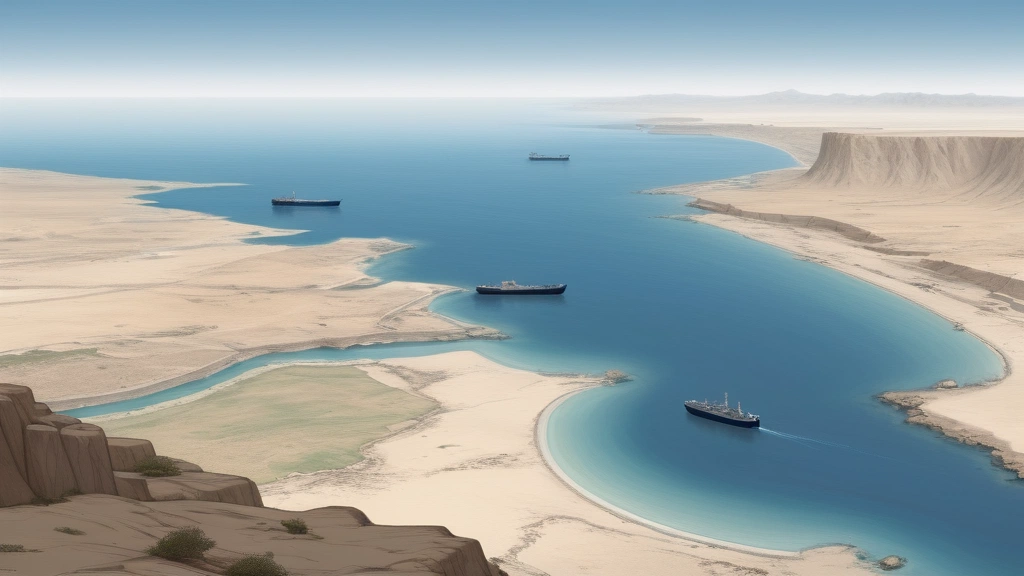
The United States military conducted limited strikes on Iran's Qeshm Island in the Strait of Hormuz on Monday, November 2, 2026. US officials described the action as a defensive response after the Islamic Revolutionary Guard Corps (IRGC) fired on a US aircraft. Initial reports inside Iran blamed Israel for the strikes, but this was later conceded to be the work of the US; Israel denied involvement.
President Donald Trump stated he was "not in a rush" to decide whether to resume major hostilities against Iran, noting that the US had "crippled them financially." He claimed the US had "won the war with Iran" and pointed to dropping oil prices as evidence of market expectations that no large-scale conflict would resume. Trump also mentioned the possibility of striking "Pickaxe Mountain," an underground site linked to Iran's nuclear program, describing it as a quick operation if necessary.
Indirect negotiations between the US and Iran remain ongoing, mediated by Qatar and Pakistan. Qatar is currently drafting a proposal to restore direct talks. Iranian Foreign Minister Abbas Araghchi reported that the indirect consultations were "very intensive" and confirmed that Iran had presented its own conditions. Vice President JD Vance expressed optimism about diplomatic efforts and proposed restarting talks in a letter to Mohsen Rezaei, secretary of Iran's supreme national security council.
Iran has offered to reopen the Strait of Hormuz within two days if the US meets seven conditions, including lifting naval blockades and releasing frozen assets. The strait, through which one fifth of global oil and gas shipments pass, was effectively closed at the start of the war due to attacks and blockades, disrupting global energy supplies. Rising petrol prices caused by the conflict have become a signature issue ahead of the US midterm elections, adding pressure on Trump amid falling polling numbers and calls from his party to end the war.
Iran's chief negotiator Mohammad Bagher Ghalibaf stated that the "ball is now in America's court to prevent war" following the strikes. In contrast to Trump's public assertion that there was "no war raging" and that hostilities had ceased months ago, Iranian Deputy Foreign Minister Kazem Gharibabadi stated that Iran remains in a state of war and retains the right to legitimate defense. Officials have acknowledged that secret limited strikes and defensive operations have continued, with three similar military exchanges occurring since the cessation of major hostilities. Gulf Arab states also face potential attacks from Iran if the US mounts further assaults, threatening their economies.