US Food Importer Sues to Block 50% Tariffs on Canadian Goods
The Liberty Justice Center has filed a lawsuit on behalf of Gellert Global Group in the US Court of International Trade, challenging President Donald Trump's 50% tariffs on approximately $20 billion worth of Canadian goods imposed under Section 338 of the Tariff Act of 1930.
A New Jersey-based food business is challenging the legality of sweeping tariffs imposed by the White House on Canadian imports, arguing that the administration exceeded its authority and failed to follow required legal procedures.
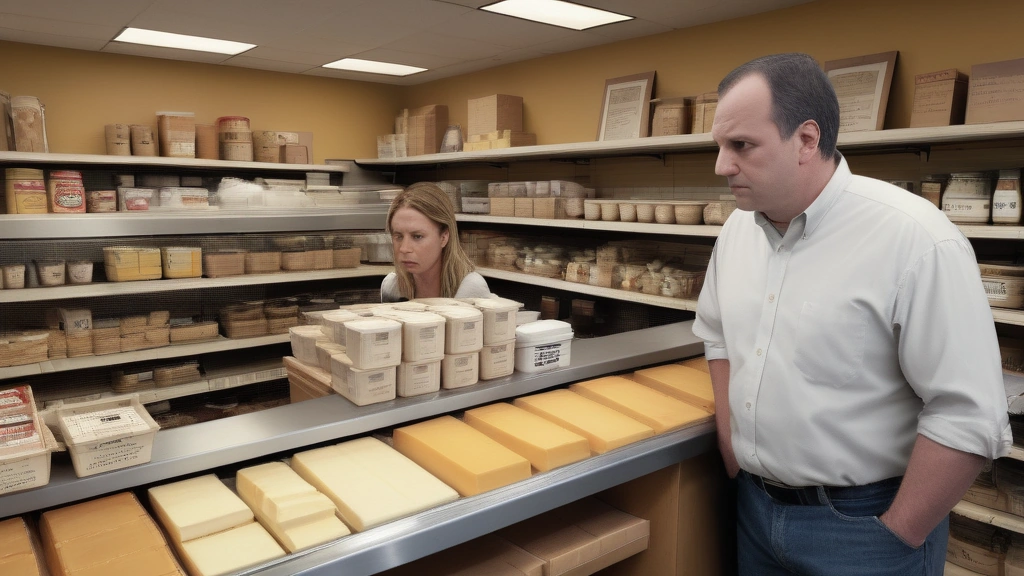
The Liberty Justice Center filed the lawsuit on Tuesday in the US Court of International Trade on behalf of Gellert Global Group, a third-generation family business. The company currently pays a 50% tariff on cheese exported from Canada. The suit urges the court to find the levies unlawful and order refunds with interest. The law group has also filed a motion for a preliminary injunction to block the collection of the tariffs.
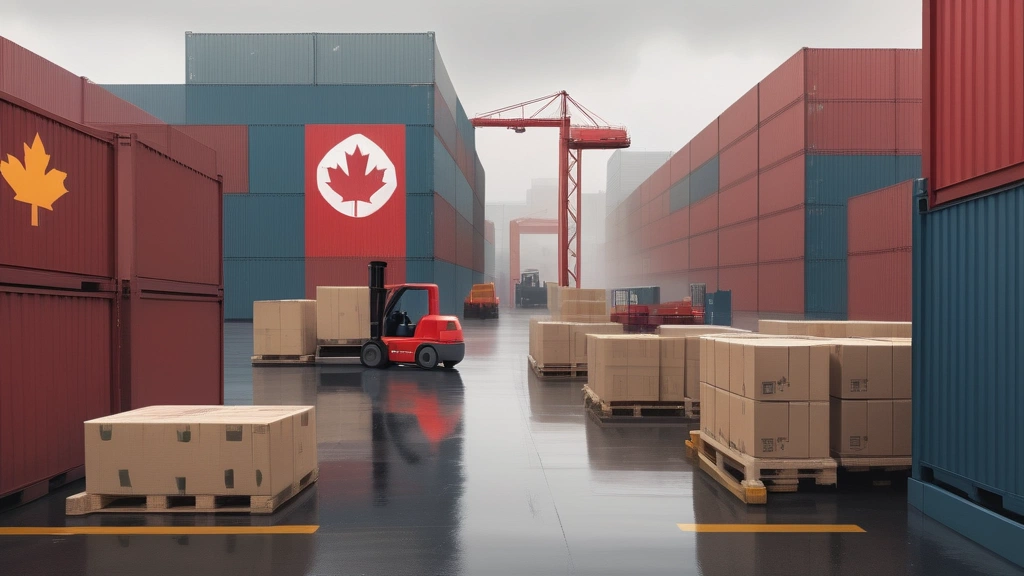
The dispute centers on the White House's decision to impose a 50% levy on approximately $20 billion worth of Canadian goods—ranging from wine to dairy products and hockey sticks—after trade talks between the United States and Canada broke down in August. The administration relied on Section 338 of the Tariff Act of 1930 to enact the measures.
Co-chief executive Thomas Gellert stated that the tariffs disrupt relationships with suppliers and customers and create costs and uncertainty rippling through the supply chain. In response to the US action last month, Canadian Prime Minister Mark Carney matched the Section 338 tariffs "dollar for dollar" as countermeasures, resulting in retaliatory tariffs on American-made cheese.
The plaintiffs contend that Section 338 does not permit sweeping tariffs without specific congressional limits. The lawsuit argues that the 1930 provision has been superseded by Section 301 of the Trade Act of 1974. Furthermore, the filing points out that Section 338 requires a 30-day waiting period before levies can be imposed, but the tariff on cheese was added just one week before collection began.
Liberty Justice Center CEO Sara Albrecht stated that the case concerns presidential power rather than President Donald Trump personally, arguing that no president should have the power to use dormant statutes for sweeping tariffs without congressional limits.
This marks the fourth legal case brought by the Liberty Justice Center against Trump's tariff policies. It follows a successful challenge earlier this year against tariffs based on the International Emergency Economic Powers Act (IEEPA), which were struck down in February.