U.S. Import Bans on Canadian Alcohol, Dairy and Motorcycles Take Effect
New U.S. restrictions on specific Canadian imports, including alcohol, whey, molasses, and motorcycles, went into effect early Tuesday amid an ongoing trade dispute. While Prime Minister Mark Carney described the economic impact as modest, industry groups warn of significant consequences for liquor producers.
United States bans on a range of Canadian imports took effect at 12:01 a.m. ET on Tuesday, marking a new escalation in the ongoing trade dispute between the two nations. The restrictions, which were first announced by President Donald Trump via executive orders signed on September 8, target specific goods including beer, wine, cider, whiskies, rum, gin, vodka, brandy, tequila, non-alcoholic beer, motorcycles, molasses, and whey products.
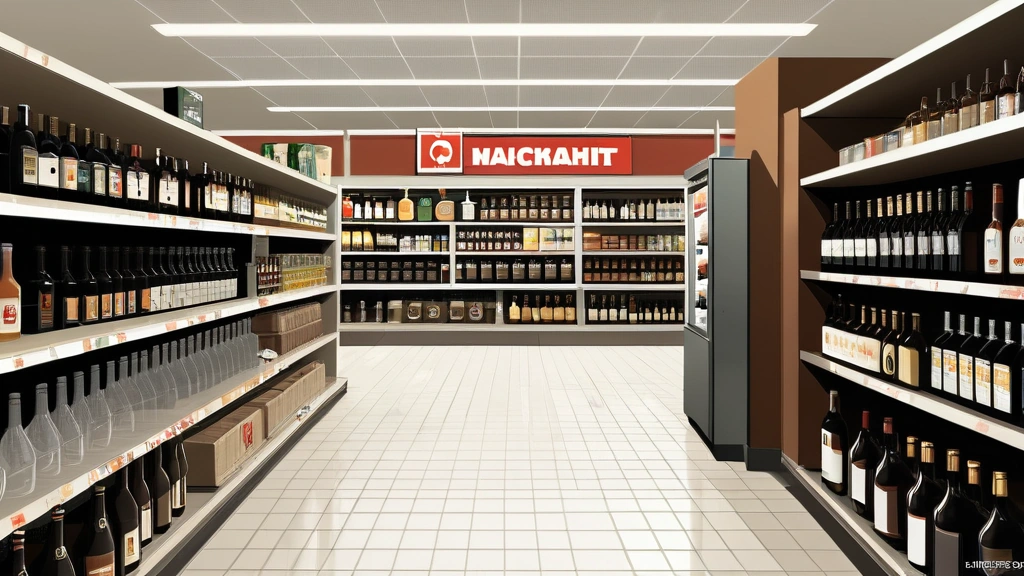
The timing of these bans follows a period of heightened tension. On August 22, after trade talks fell apart, the U.S. imposed 50 per cent duties on roughly $28 billion worth of Canadian goods. Canada responded with dollar-for-dollar retaliatory tariffs on September 8. Additionally, various cheese products have been added to a list of items subject to the 50 per cent tariff but are not banned outright.
Analysts describe the current measures as limited in economic scope but significant for testing Canada's resolve. Prime Minister Mark Carney characterized the impact on Canada's economy as "modest." However, industry groups warn that the consequences for liquor producers could be substantial. According to Scotiabank analysis, Canada exported approximately $1.2 billion worth of alcohol to the U.S. last year. BBC News reports that Tuesday's ban applies to nearly C$1bn ($710m; £530m) worth of Canadian liquor exported to the US. Furthermore, about 93% of all Canadian liquor exports in 2025 were sold to the U.S., making the sector particularly vulnerable.
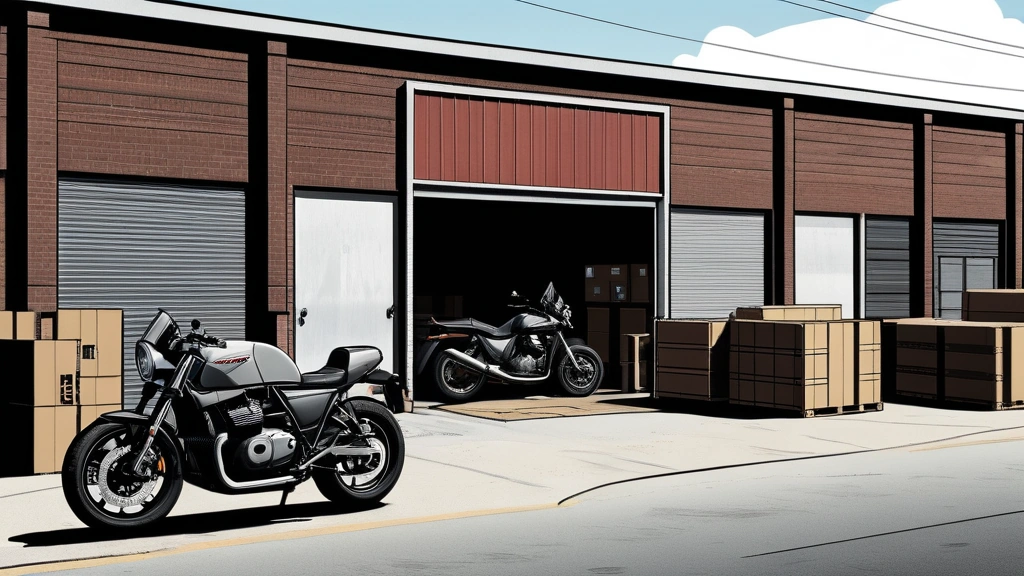
The motorcycle sector is also affected, with Canada having sent about 5,000 motorcycles to the U.S. in 2025, valued at approximately C$120m. In retaliation for the U.S. actions, most Canadian provinces have stopped selling U.S. liquor. Over 700 U.S. products are now subject to Canadian retaliatory tariffs.
Despite the escalating measures, trade negotiations remain stalled. U.S. Trade Representative Jamieson Greer stated that President Trump is "comfortable" with the current state of the Canada-U.S. dispute and feels no rush to reach a new agreement. This stance suggests that both sides currently see no immediate urgency to resolve the conflict, leaving businesses in the alcohol, dairy, and motorcycle sectors facing additional blows after months of tariffs.