UN Report: Limiting Warming to 1.5°C Now Impossible, New Pathway Proposed
The UN Environment Programme's Emissions Gap Report states that avoiding 1.5°C of global warming is no longer possible and proposes a new pathway to limit peak warming to 1.7-1.8°C before returning to 1.5°C by the end of the century. Current policies project warming of 2.8°C, while the U.S. withdrawal from the Paris Agreement could add 0.1°C on its own.
Avoiding 1.5°C of warming above pre-industrial levels is now considered impossible, according to the annual UN report on global climate action released by the UN Environment Programme (UNEP). The year 2024 was the hottest year on record, reaching 1.55°C above pre-industrial levels.

In response, the UN has proposed a new best-case pathway to limit global warming to a peak of 1.7-1.8°C and eventually bring temperatures back down to 1.5°C by the end of the 21st century. To achieve this new pathway, global greenhouse gas emissions must be reduced by 18 per cent by 2030, 45 per cent by 2035, and 69 per cent by 2040. Additionally, the share of oil in global energy will have to come down 30 per cent and gas by 35 per cent by 2040 to stay on track.
The report highlights that current and proposed national policies remain insufficient. If current policies continue without improvement, global warming could reach 2.8°C. Even in the most optimistic scenario where all pledges are fulfilled, warming would still reach 2.1°C. The U.S. withdrawal from the Paris Agreement and abandonment of climate action under President Donald Trump is cited as a major factor, with the potential to lead to 0.1°C of additional warming on its own.
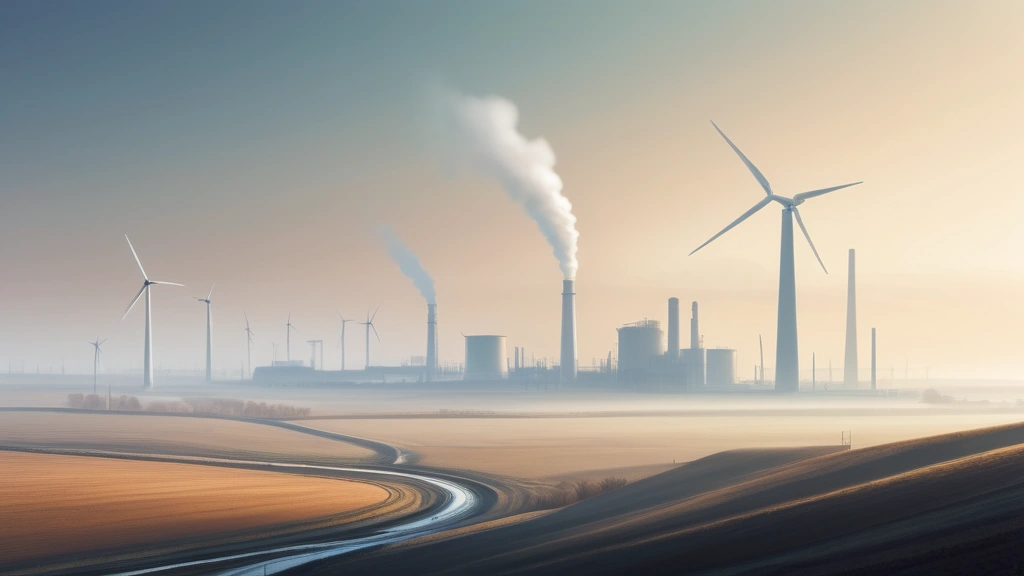
Despite these challenges, the report notes significant progress in renewable energy. Renewable electricity capacity expansion has been three times higher than expected at the time of the Paris Agreement adoption, and solar panel capacity increase has been seven times higher than expected.
The consequences of exceeding 1.5°C of warming are severe. Low-lying coastal and island nations face existential threats from rising sea levels. Countries may have to relocate large portions of their populations or move entire countries away if warming exceeds 1.5°C. Climate impacts will affect every nation on the planet, including the U.S.