Nova Scotia School Support Workers Reject Tentative Four-Year Contract
Approximately 5,500 school support workers represented by the Nova Scotia School Board Council of Unions have rejected a tentative four-year agreement with the provincial government, citing delayed wage increases. Both sides have expressed a desire to return to negotiations to avoid a strike that could disrupt schools and student services.
Approximately 5,500 school support workers in Nova Scotia, represented by the Nova Scotia School Board Council of Unions (NSSBCU) across eight Canadian Union of Public Employees (CUPE) locals, have rejected a tentative four-year agreement with the provincial government. 
Members voted against the deal across all eight locals despite union leadership endorsing it. The rejection centered on the timing of proposed wage increases. According to the union, the majority of the raises would not take effect until the very last day of the four-year contract, leaving members without meaningful pay increases for years.
Nelson Scott, president of CUPE Local 5050 and chair of the NSSBCU, described the wage structure as "rear end loaded" and stated that members wanted immediate pay increases due to economic struggles.
John Lohr, Nova Scotia’s minister of labour relations, said the government had met CUPE's demands and expressed disappointment with the outcome. He stated he was disheartened that union leadership did not represent the will of the membership.
Andrew Weaver, president of CUPE Local 964, denied any disconnect between union leadership and employees, citing daily and weekly updates provided to members throughout the process. 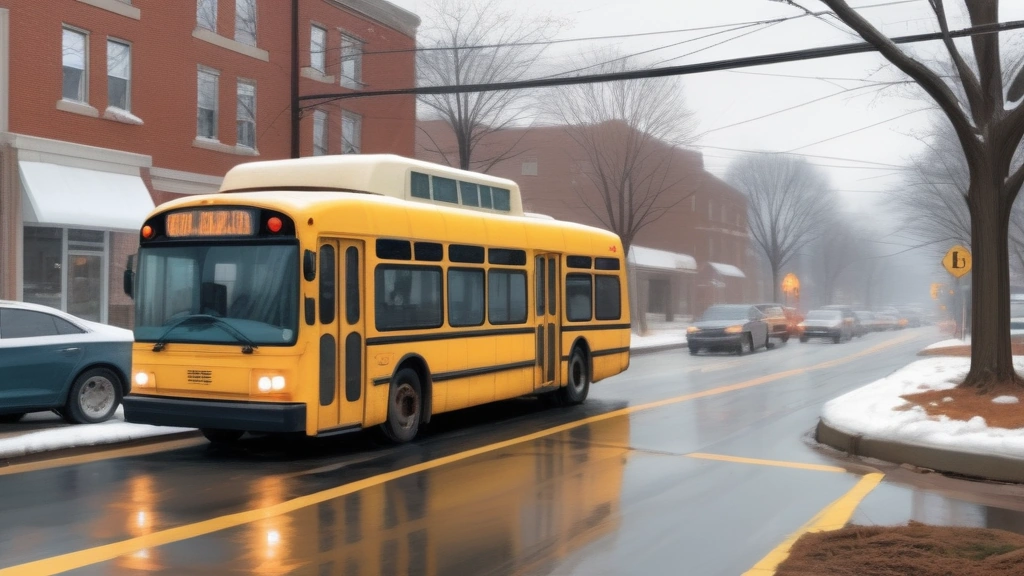
A potential strike would significantly affect education across the province. Impacts could include a shift to online or at-home learning for some students, the closure of schools in regions such as Cape Breton-Victoria and Strait, cancellations of bus services, and interruptions to pre-primary programs and essential student supports.
The union has promised to provide 24 hours' notice if job action becomes necessary. Both the provincial government and the union have indicated a desire to return to negotiations to reach an agreement and avoid disruptions.