Canadian Aluminum Industry Eyes U.S. Midterms for Tariff Relief as Exports Pivot to Europe
Following U.S. midterm elections, Canadian aluminum leaders hope voter frustration will pressure Washington to roll back 50% tariffs. Producers have redirected roughly 800,000 tonnes of exports to Europe since March 2025 to avoid layoffs, though experts caution that 'America First' sentiments in both parties make immediate policy shifts unlikely.
Jean Simard, president and chief executive of the Aluminum Association of Canada, stated that the recent U.S. midterm election results could mark a turning point in the ongoing trade dispute between Canada and the United States. Simard expressed optimism that American voter frustration with trade policies could pressure Washington to roll back tariffs on Canadian aluminum.
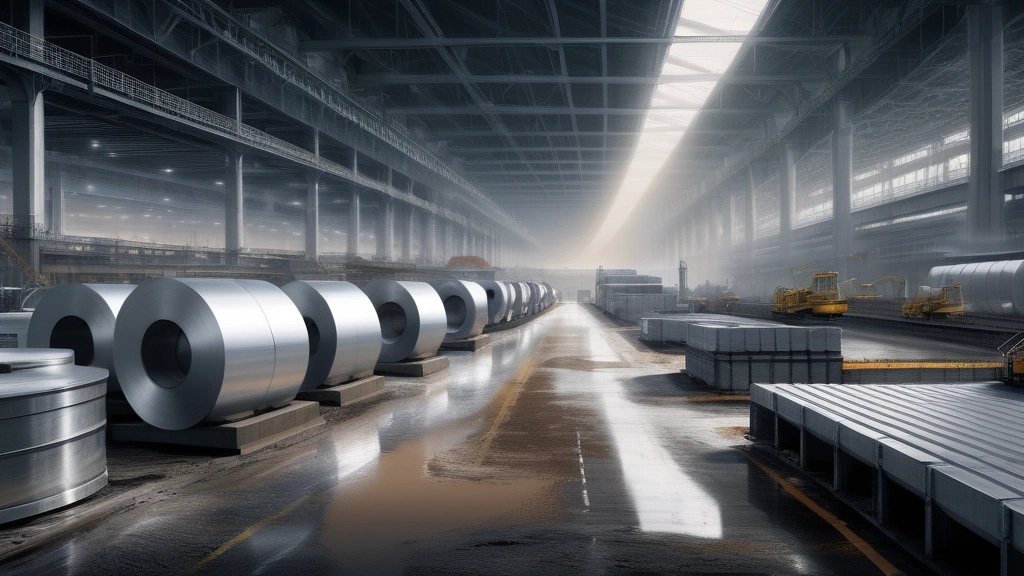
Canada produces roughly 3.3 million tonnes of aluminum annually and exports about 90 per cent of its output. U.S. tariffs on Canadian aluminum were increased from 25 per cent in March 2025 to 50 per cent on June 4, 2025. The first Trump administration had previously imposed 10 per cent tariffs on aluminum imports in 2018, which applied to Canada from June 2018 until May 2019.
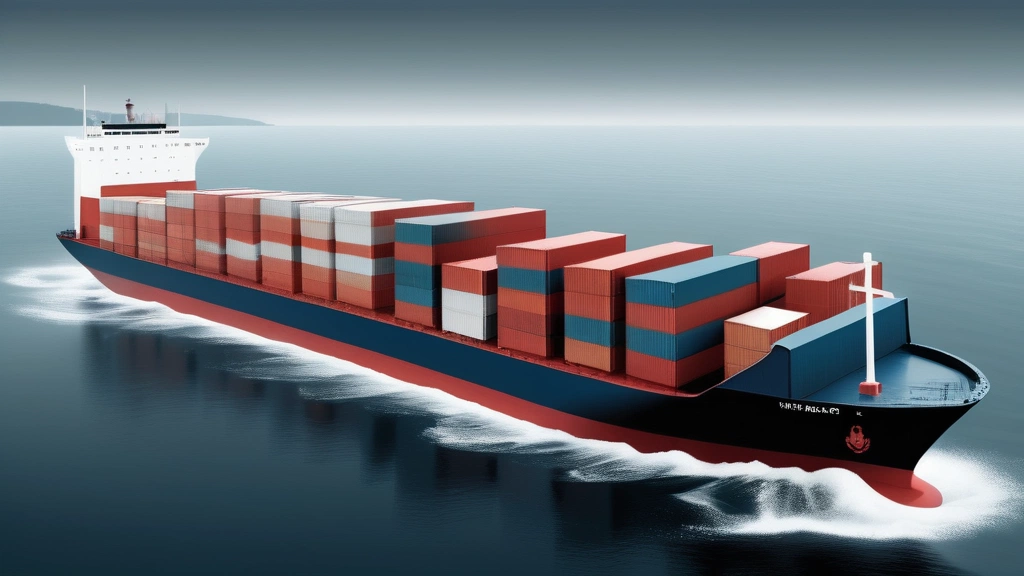
To mitigate the impact of the current duties, Canadian producers have exported roughly 800,000 tonnes of aluminum to Europe since March 2025, compared to about 100,000 tonnes under normal conditions. This strategy of redirecting shipments has allowed the Canadian aluminum industry to maintain production without layoffs or cuts.
U.S. trade disputes have also worsened affordability concerns in border states and the Midwest. Dan Kelly, president of the Canadian Federation of Independent Business, noted that 87 per cent of Canadian small businesses want a trade agreement reached as quickly as possible. Blair Dickerson, president of the Canadian Steel Producers Association, said the steel industry is encouraged by Prime Minister Mark Carney’s comments regarding progressing trade talks.
Despite these hopes, Andreas Schotter, a professor at Western University’s Ivey Business School, warned that Canadian companies should not expect a dramatic shift in U.S. trade policy despite the election results. Political changes in the U.S. may increase pressure to roll back tariffs, but persistent "America First" sentiments in both major U.S. political parties mean immediate policy reversals are not expected.