U.S. Seeks Trade Deal Accommodating Canada Amid Ongoing Tariff Tensions
U.S. Trade Representative Jamieson Greer said Washington aims to reach a trade agreement that accommodates Canada in the North American steel, aluminum, and automobile sectors. Negotiations have resumed after collapsing in August, driven by recent talks between President Trump and Prime Minister Mark Carney and political pressure following U.S. midterm elections.
U.S. Trade Representative Jamieson Greer stated on Wednesday that Washington is looking to strike a trade deal that "accommodates" Canada within the North American steel, aluminum, and automobile sectors. 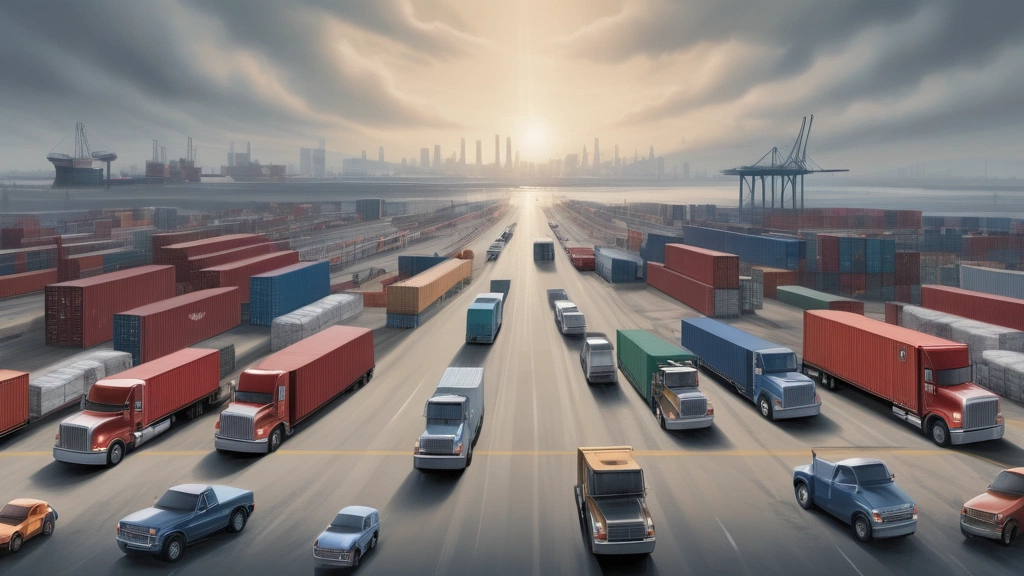
Steel, aluminum, automobiles, and lumber are currently subject to steep 25 per cent tariffs imposed under Section 232 of the U.S. Trade Expansion Act. According to the Bank of Canada, these sectoral tariffs are adversely affecting the Canadian economy, while the United States has seen a resurgence in steel, aluminum, and auto manufacturing.
Trade negotiations between the two countries collapsed in August after Ottawa walked away due to last-minute terms demanded by the U.S., including restrictions on Canada entering new trade deals with other countries. Shortly after the breakdown, President Donald Trump announced in August that the U.S. would double these sectoral tariffs to 50 per cent starting Jan. 1, 2027.
Efforts to resume talks gained momentum after the Republican Party's loss in the U.S. midterms, where Democratic candidates blamed Trump’s trade war on Canada for high living costs. This political pressure influenced the renewed push for negotiations.
Prime Minister Mark Carney and President Trump discussed trade ties while in Shenzhen, China, agreeing to continue work toward a mutually beneficial agreement. 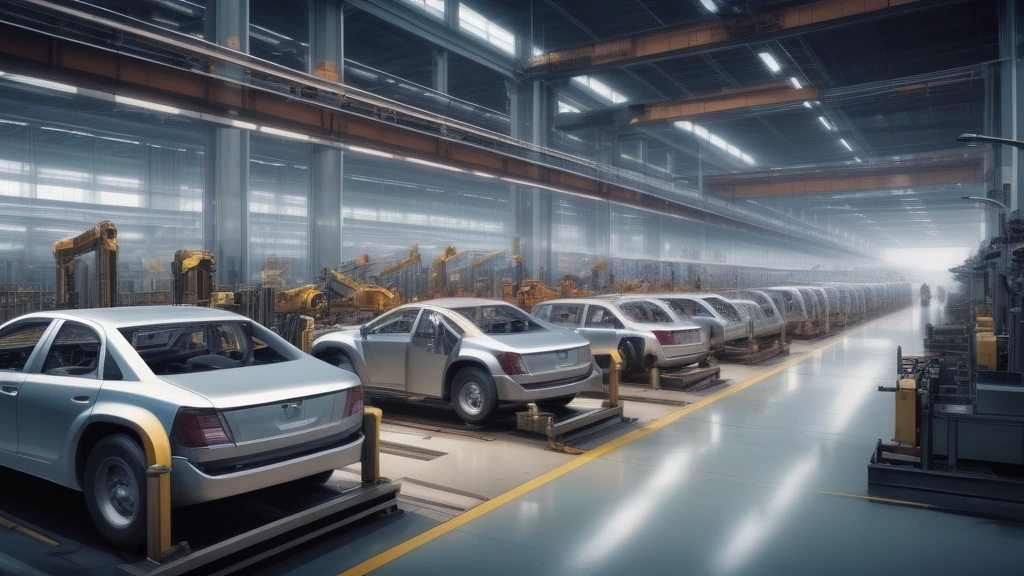
Despite indications of progress from Greer, significant hurdles remain. Canada’s chief trade negotiator, Janice Charette, informed a federal advisory committee that multiple trade issues remain outstanding, identifying the 25 per cent U.S. tariff on Canadian automobiles as the biggest issue.