Trade War Tariffs Force Indefinite Shutdown of Quebec Paper Mill, Threatening Town's Survival
A paper mill in Témiscaming, Quebec, owned by US firm RYAM, has indefinitely shut down after the US imposed 50% tariffs on Canadian goods. The closure has left most of its 360 employees out of work and caused property values to plummet. While workers attempt to organize a buyback, local representatives argue that federal aid packages do not adequately address the crisis.
The paper mill in Témiscaming, Quebec, which serves as the town's main employer, has been placed under an indefinite "economic shutdown" by its American owner, RYAM. The closure followed the breakdown of trade talks between Canada and the United States and the imposition of 50% duties on approximately C$28 billion of Canadian goods, including wood and paper products, in August.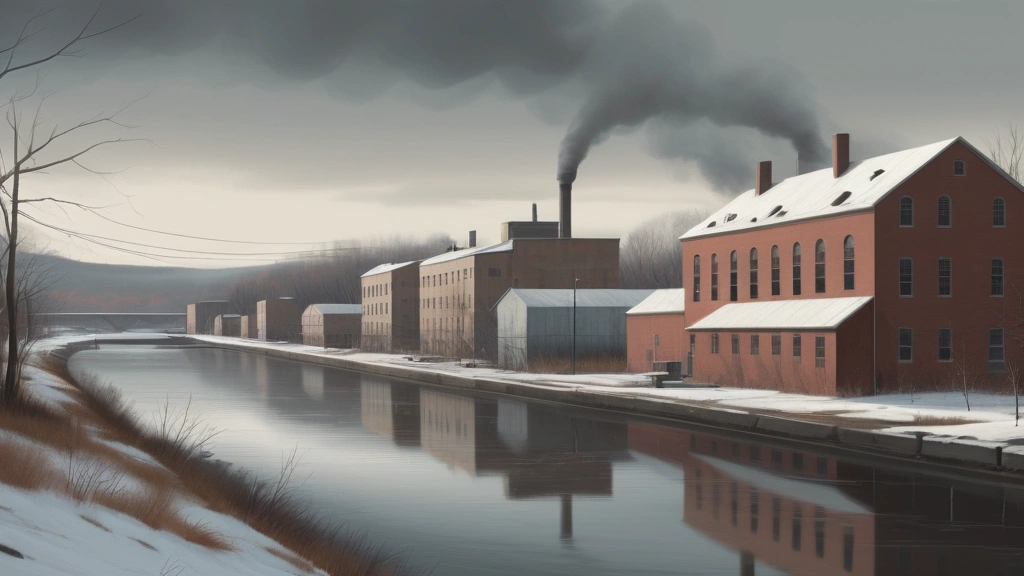
Most of the mill's 360 employees are currently out of work, receiving partial pay through government tariff-relief programs. The facility is highly dependent on the American market, sending roughly 75% of its production to the United States.
The economic fallout in Témiscaming has been immediate. Property values fell almost overnight following the mill's closure, leading to numerous homes being put up for sale. Residents fear the town could transform into a ghost town, with essential services at risk of leaving. There are also concerns that idle plant equipment could suffer damage if the situation remains unresolved before winter sub-zero temperatures arrive. The shutdown has created ripple effects across the regional forestry industry, impacting sawmills and trucking operations.
In response to the crisis, local workers and union leaders are mobilizing a coalition to buy back the plant from RYAM. They hope to replicate a successful worker-owned model established in 1973, though such an effort would require significant financial support from the federal and provincial governments.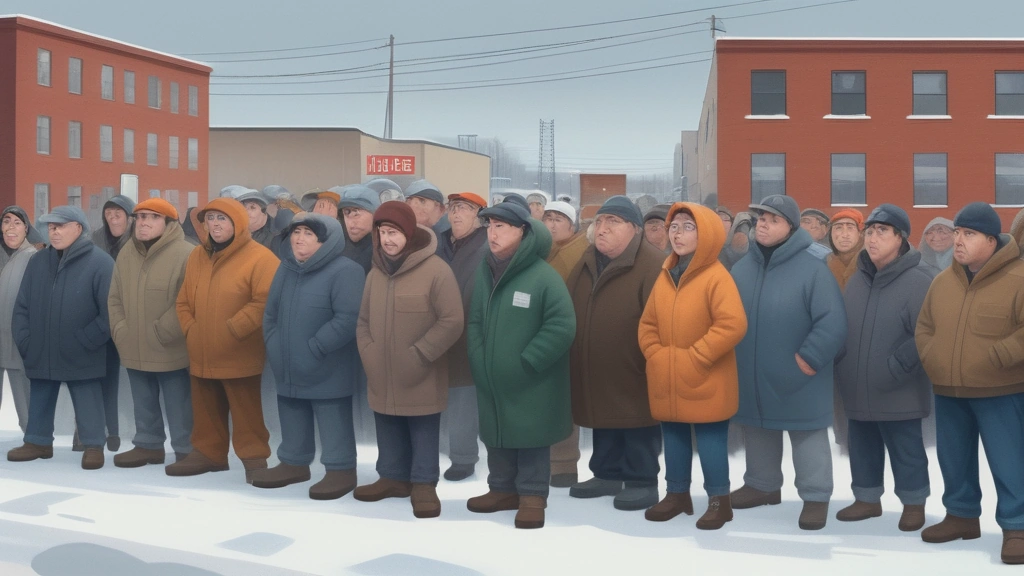
While Canada's national unemployment rate has remained largely steady at around 6.5% since the tariffs were first implemented, specific sectors like lumber, pulp, and paper face severe economic pain. Prime Minister Mark Carney and Ontario Premier Doug Ford announced nearly C$9 billion ($6.4bn; £4.8bn) to help Ontario's steel and auto sector. Additionally, a spokesperson for Industry Minister Mélanie Joly stated that the government has made available $400 million to support the forestry sector in rural and remote areas.
However, local representatives argue these measures do not adequately address the crisis in Témiscaming. Local MP Sébastien Lemire claims there has been inaction from the Carney government regarding the forestry industry, while government officials maintain they have allocated funds and are actively working on solutions.
Some tariffs on Canadian goods were lifted last week following lobbying from Republican Maine Senator Susan Collins, but these changes do not apply to the products manufactured at the Témiscaming mill.