Nova Scotia and Vermont Sign Three-Year Agreement to Explore Offshore Wind Power Exports
The Province of Nova Scotia and the State of Vermont have signed a three-year Memorandum of Understanding on transmission collaboration and regional grid integration to explore exporting offshore wind electricity. The agreement follows a similar deal with Massachusetts in February, though significant infrastructure investment is still required to deliver power to New England.
The Province of Nova Scotia and the State of Vermont have signed a three-year Memorandum of Understanding on Transmission Collaboration and Regional Grid Integration to explore the export of electricity generated by offshore wind. The agreement includes an option to renew for an additional three years but does not commit Vermont to purchasing electricity from Nova Scotia.
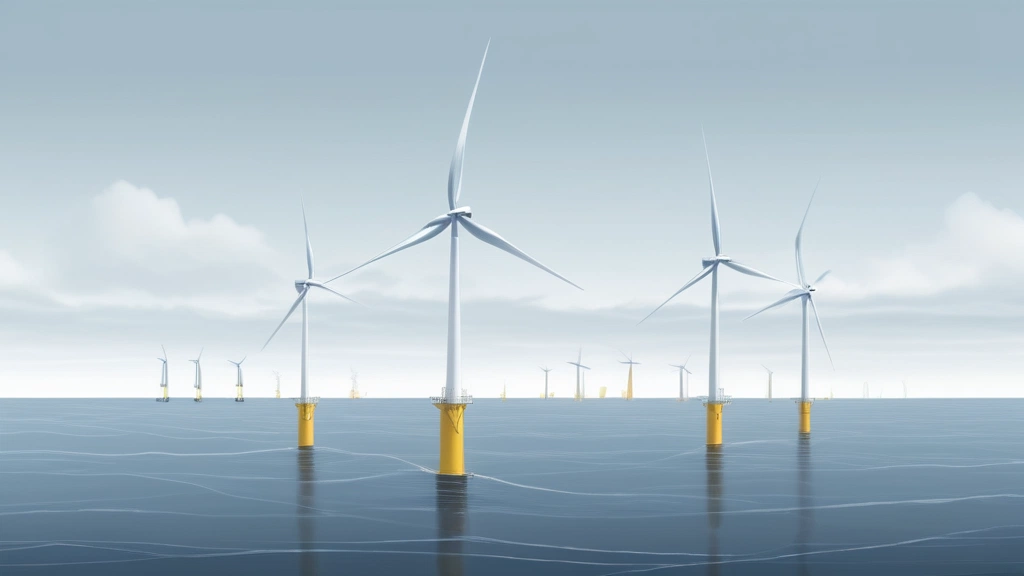
This development follows a similar agreement signed in February between Nova Scotia Premier Tim Houston and Massachusetts Governor Maura Healey regarding clean energy supply from offshore wind. Last month, the federal government announced $100 million toward developing offshore energy in Nova Scotia.
Nova Scotia possesses substantial offshore wind resources. The first phase of the Wind West project is estimated to cost about $60 billion and produce about five gigawatts of power as early as 2033. Planned production for Wind West is set to increase to 40 gigawatts, far exceeding Nova Scotia's internal need of 2.4 gigawatts.
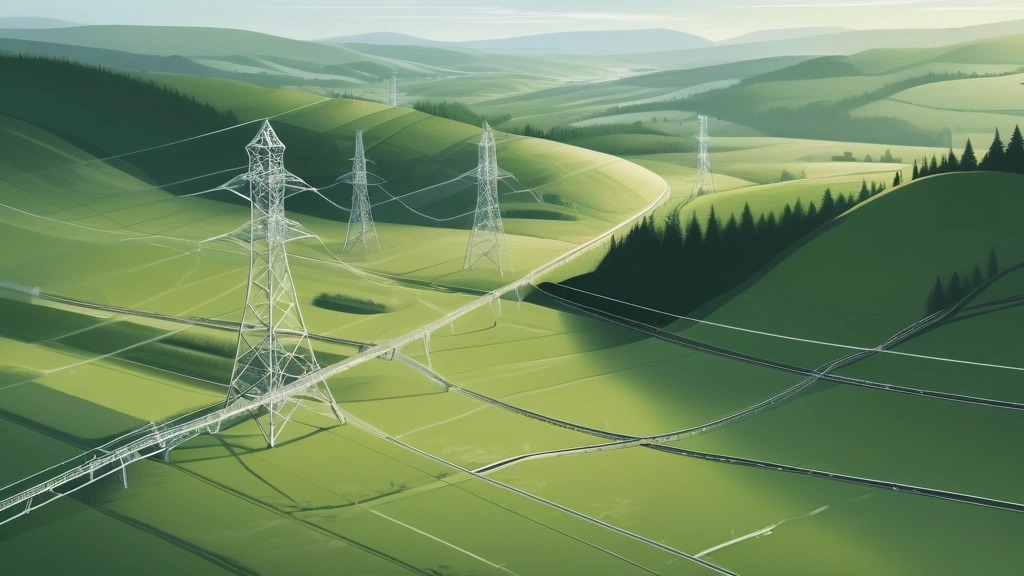
Despite these resources, delivering power to New England faces logistical challenges. There is currently no established transmission route for moving electricity directly from Nova Scotia to New England. Realizing these exports will require significant investment in new high-voltage connections and cross-border transmission capacity, as well as regulatory cooperation between jurisdictions.
Proponents suggest the initiative could lead to the creation of good jobs and attract investment in Nova Scotia while strengthening energy security in the region. It may also help meet growing energy demand in New England driven by electric vehicles and heat pumps.