VETS Canada remains hopeful on Amherst armoury housing plan despite inconclusive parliamentary study
Veterans Emergency and Transition Services (VETS) Canada continues to seek ownership of the historic Amherst armoury in Nova Scotia to create up to 24 veteran housing units. The organization remains cautiously optimistic following federal budget housing extensions, even as its chair described a recent parliamentary study on surplus federal properties as inconclusive.
Veterans Emergency and Transition Services (VETS) Canada is maintaining cautious optimism about its proposal to convert the historic Amherst armoury in Nova Scotia into housing for veterans, following the extension of federal housing programs in the recent budget.
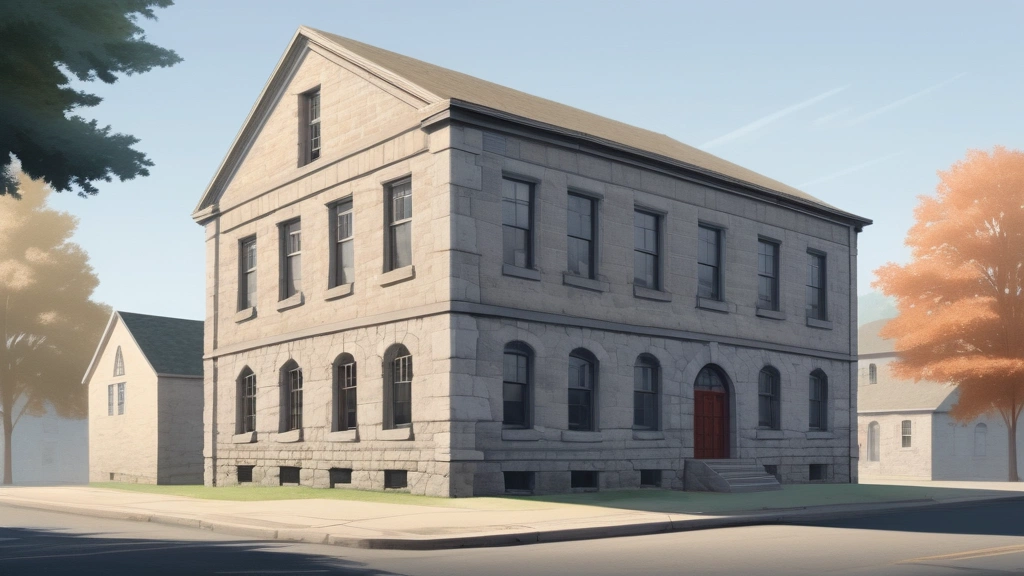
The organization has proposed renovating the building to accommodate up to 24 housing units for veterans, alongside space for a revamped museum and social enterprises. VETS Canada continues to seek ownership of the property, which was constructed in 1915, designated a federal heritage building in 1990, and closed in 2025 due to mould.
In 2024, Ottawa named the Amherst armoury one of five surplus Department of National Defence buildings identified as having residential potential. Federal Finance Minister François-Philippe Champagne has pointed to excess federal property as a good starting point for addressing housing issues in Nova Scotia. The latest federal budget allocates $6.5 billion over 10 years to address homelessness as part of a broader plan to end it within a decade.
Earlier this year, Alana Hirtle, Member of Parliament for Cumberland-Colchester, initiated a parliamentary study examining alternative ways to use surplus federal lands and buildings for veterans' services. However, Debbie Lowther, chair of VETS Canada, stated that the recent study did not determine anything significant and felt divided.
While Lowther expressed that the House of Commons committee study made no progress, Conservative party members on the committee reached a different conclusion, stating the study revealed an unwillingness to act rather than a lack of available tools.