Trump Hosts Xi for Historic State Visit as Trade Truce Extended
US President Donald Trump hosted Chinese President Xi Jinping for a three-day state visit in Washington, the first since 2015. The summit featured unprecedented ceremonial honors and resulted in an extension of the trade truce, though concrete progress on contentious issues like rare earths and AI export controls remained limited.
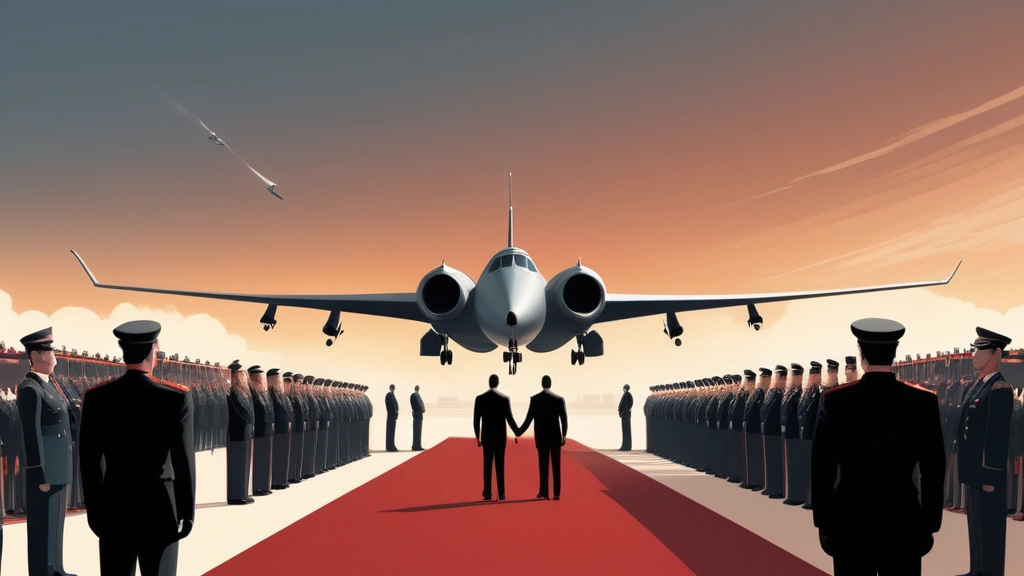
US President Donald Trump personally welcomed Chinese President Xi Jinping at Joint Base Andrews in Maryland, marking the first time a US president has greeted a foreign leader in this manner since John F. Kennedy met Harold Macmillan in 1962. The arrival ceremony included a 100-foot red carpet, a military flyover by two B-1 supersonic bombers, and a performance by an Army Air Force band.
This three-day state visit is the first of its kind for Xi since 2015. The high-profile reception signaled a desire for stability in US-China relations, despite underlying tensions. Key outcomes from the summit included the operationalization of a board of trade agreed upon during Trump’s May visit to Beijing. Additionally, the existing trade truce was extended; while some reports indicated an extension to January, others cited early 2027. As a gesture of goodwill, China also agreed to send two pandas to Atlanta.
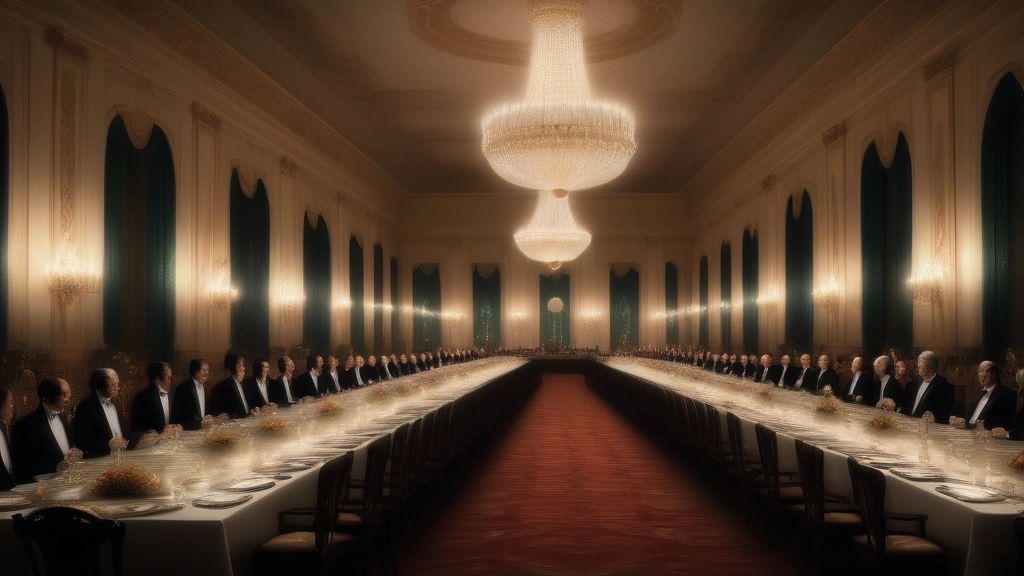
The diplomatic efforts were accompanied by warm rhetoric regarding friendship and strategic stability. During a lavish state dinner held on Thursday, attended by major tech CEOs including Elon Musk, Sam Altman, Tim Cook, Sundar Pichai, Jeff Bezos, Jensen Huang, and Mark Zuckerberg, Trump presented Xi with a sculpture of a bald eagle designed by Trump and First Lady Melania Trump. The gift symbolized the "free and soaring spirit of America."
Xi stated that the US and China must act as responsible major countries, emphasizing that competition should be benign and bounded rather than zero-sum. However, experts noted little confirmed progress on key contentious issues such as rare earth dominance, chip export controls, and the $14 billion arms sale to Taiwan. Protests occurred outside the state dinner venue, with some demonstrators arrested.
The visit concluded with tours of the Smithsonian National Museum of Asian Art and the National Archives. While the ceremonial aspects highlighted a warming in diplomatic ties, the lack of concrete agreements on technology and geopolitical issues underscored continued friction between the two nations.