US Enacts New Sanctions Law; China Opposes Secondary Tariffs on Russian Energy Imports
The United States signed the '2026 Graham Sanctions on Russia and Iran Act' into law, authorizing up to 100% secondary tariffs on third countries importing Russian energy. China's Ministry of Commerce responded by opposing unilateral sanctions lacking UN authorization and reserving the right to take necessary measures.
On September 18, 2026 (US Eastern Time), the United States officially signed the '2026 Graham Sanctions on Russia and Iran Act' into law. This new legislation comprehensively strengthens existing sanctions against Russia and extends sanctions related to Iran.
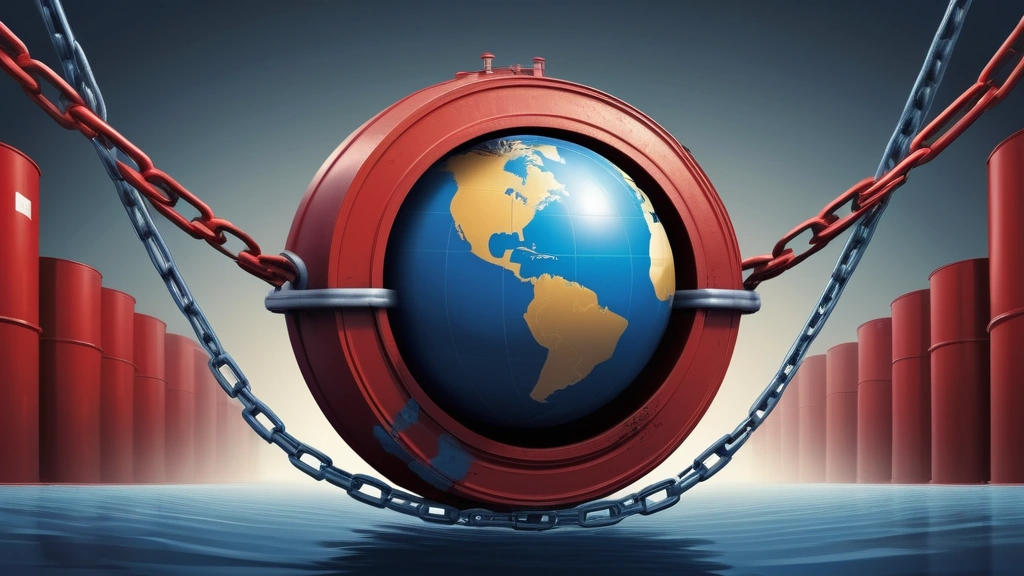
A key provision of the act explicitly allows for the imposition of up to 100% "secondary tariffs" on third countries that import Russian oil or natural gas. Commentary suggests that China may be a target for these potential US tariffs.
In response, China's Ministry of Commerce issued a statement on September 19, 2026. A spokesperson for the ministry stated that China opposes unilateral sanctions that lack UN authorization and an international legal basis. The spokesperson further expressed opposition to taking "secondary sanction" measures against other countries under the pretext of involving third parties.

China asserted that its normal economic and trade cooperation with other countries is based on equality and mutual benefit. The ministry emphasized that such cooperation does not target third parties and should not be interfered with or coerced by them. Beijing stated it will closely monitor subsequent US actions and reserves the right to take all necessary measures to safeguard national sovereignty, development interests, and the legitimate rights of enterprises.