Bedford Residents Share Priorities and Concerns at Mill Cove Ferry Terminal Engagement Session
Halifax Regional Municipality held a public engagement session in Bedford regarding the Mill Cove ferry terminal and surrounding land development. Residents expressed strong support for the ferry service, citing urgent traffic relief needs, but voiced concerns about maintaining low-rise buildings, preserving outdoor public space, and managing increased density and traffic congestion. The project, which includes five electric ferries, two terminals, a maintenance facility, and a new library, is funded by federal, provincial, and municipal governments totaling approximately $260 million. While initially scheduled for 2027-28, the ferry service is now expected to be operational by 2030 or 2031 due to delays in land negotiations.
Bedford residents gathered on Wednesday at Royal Canadian Legion Branch 95 for a Halifax Regional Municipality (HRM) public engagement session focused on the planned Mill Cove ferry terminal and surrounding land development. 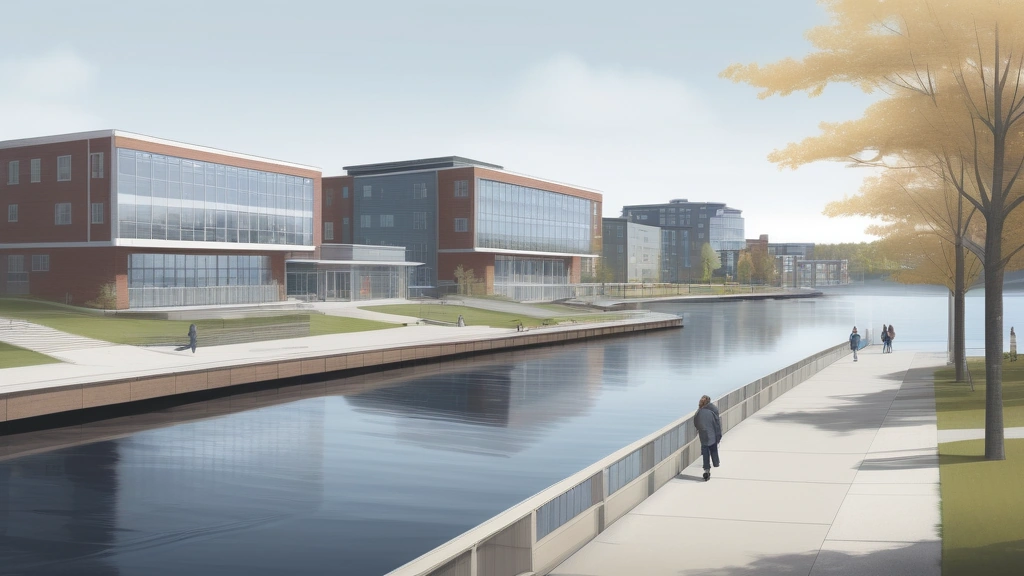
Attendees expressed strong support for the proposed ferry service, emphasizing its potential to alleviate traffic congestion along the Bedford Highway and reduce demand on existing corridors such as Hammonds Plains Road. However, residents also outlined clear priorities for the surrounding development, urging officials to keep buildings around the terminal low-rise, preserve usable outdoor public space, and ensure the proposed library serves as an inviting community gathering area.
Jacqueline Levert, who has lived in Bedford for more than 30 years, highlighted the urgent need for the ferry to ease traffic for her sons who work in the area. She voiced support for a community-based library while opposing high-rise construction. Gordon Hippern, a 77-year-old resident, drew on his experience living in Hong Kong to advocate for frequent bus services connecting to the ferry rather than relying solely on personal vehicle parking.
Concerns were also raised regarding the impact of increased density and construction. Kelly Bentham, president of the Fernleigh Park Homeowner Society, warned that construction activities such as blasting and higher density could affect nearby private developments that rely on septic fields and wells. Other anticipated impacts include potential increases in pedestrian and vehicle congestion, as well as effects on residential areas and water distribution systems during construction.
The Mill Cove property has been designated by Nova Scotia as a suburban opportunity site and by the municipality as a future growth area or Urban Local Growth Center, marking it as a priority for transit-oriented and mixed-use community development. In March 2024, combined funding of nearly $260 million was announced for the project, comprising a $155.7 million federal commitment, $65 million from the provincial government, and $40 million from HRM. The investment will cover five electric ferries, two terminals, one maintenance facility, and the new library. 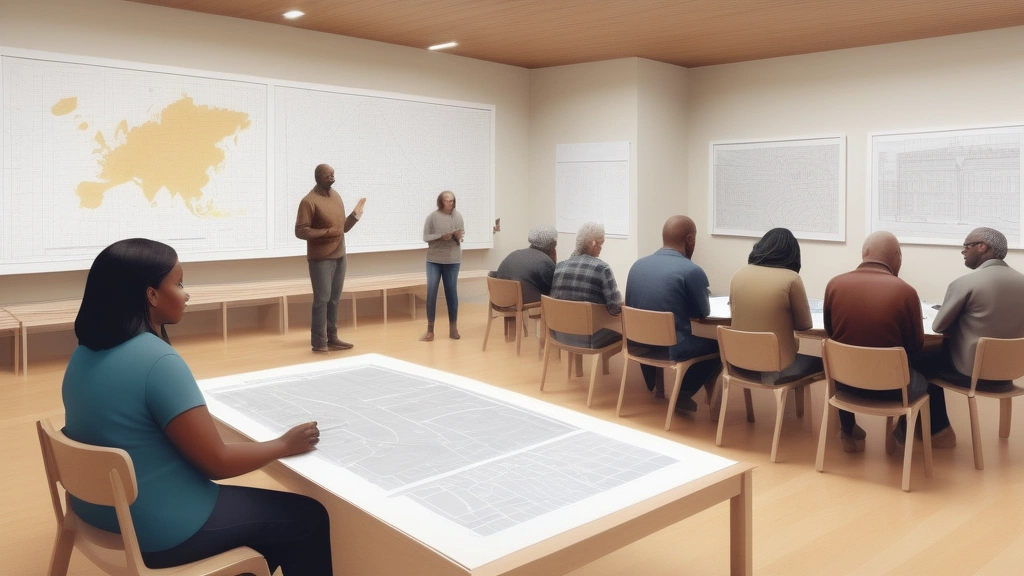
The ferry service was initially scheduled to begin operations in 2027-28. Delays in land negotiations have since pushed the expected start date to 2030 or 2031.
Feedback collected during Wednesday’s session will be combined with findings from an earlier Happy Cities report. The consolidated information is set to be presented to regional council for consideration in December and January.