Canada and EU Launch Formal Talks on 'Associate Membership' at Montreal Summit
Canada and the European Union are holding a summit in Montreal to begin formal negotiations on a deeper partnership described by EU officials as an 'associate membership.' The talks cover trade, security, technology, critical minerals, and specialized labor mobility, coinciding with the 10th anniversary of CETA amid ongoing ratification gaps and a dispute over Quebec's participation.
Canada and the European Union are set to hold a summit in Montreal on Thursday and Friday, marking the start of formal discussions and negotiations over the next year aimed at forging a closer partnership. Prime Minister Mark Carney described the event as the launch of these efforts to deepen ties between the two sides. 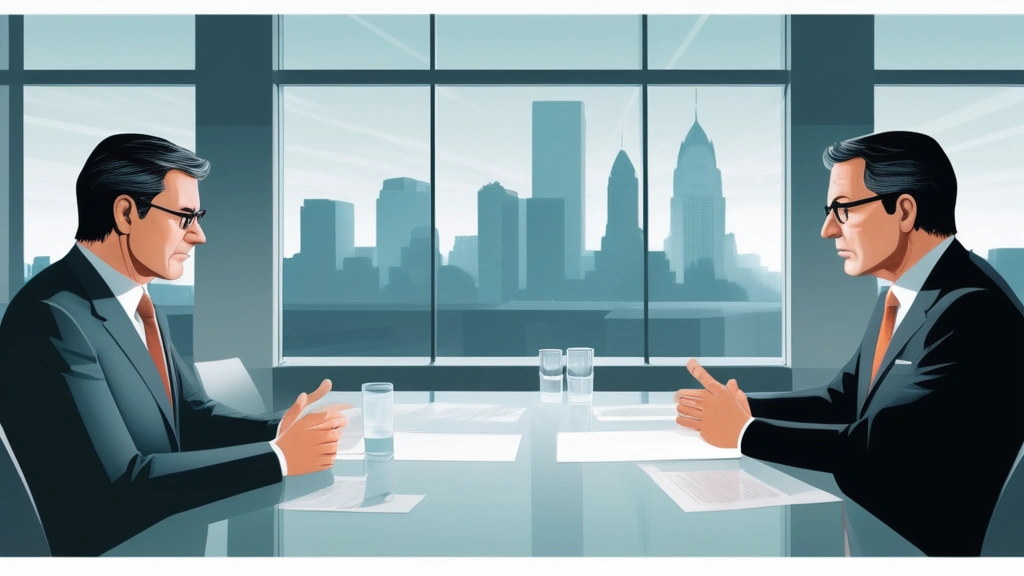
EU officials have characterized the proposed new relationship as an "associate membership," a status that does not currently exist within the bloc but is intended to represent the closest possible association ever attempted. Carney emphasized that the substance of the relationship matters more than the specific nomenclature or title.
Key areas of cooperation under discussion include trade, security, technology, and critical minerals. As part of a critical minerals agreement, the European Investment Bank has applied for an exemption from Canadian foreign banking rules to operate in Canada. Regarding potential labor mobility, Canadian Ambassador to the EU Jonathan Wilkinson clarified that policy discussions focus on specialized areas for mutual benefit rather than the free movement of labor.
The summit coincides with the 10th anniversary of the signing of the Comprehensive Economic and Trade Agreement (CETA) between Canada and the EU. However, nine EU member states—France, Italy, Belgium, Ireland, Poland, Bulgaria, Cyprus, Greece, and Hungary—have not yet ratified the agreement. 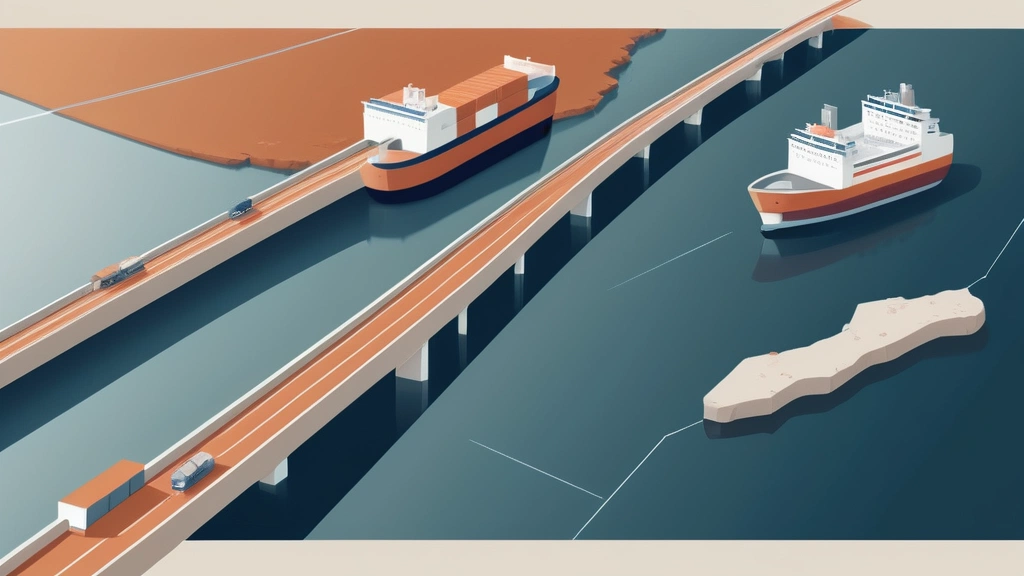
Tensions have also emerged regarding Quebec's participation in the summit. The Parti Québécois government accused Ottawa of denying Premier Paul St-Pierre Plamondon a chance to speak at the event and refusing permission for Quebec to host a reception. In response, Carney stated that St-Pierre Plamondon was invited to a dinner with European officials during the summit but declined the invitation.