Canada Unveils Transport Overhaul to Diversify Trade Away from U.S.
The Canadian government has introduced legislation to accelerate infrastructure approvals and modernize port governance, aiming to reduce reliance on U.S. trade by boosting exports to Asia and Europe.
Prime Minister Mark Carney’s government unveiled new legislation on Monday designed to overhaul transportation regulations and speed up project approvals. The primary goal is to ensure federal reviews are completed within one year, a move intended to help Canada diversify its export markets away from the United States.
Transport Minister Steven MacKinnon stated that these reforms are driven by the imperative to counter tariffs and trade disruptions imposed by U.S. President Donald Trump. By reducing reliance on American trade, the government aims to strengthen economic ties with Europe and Asia.
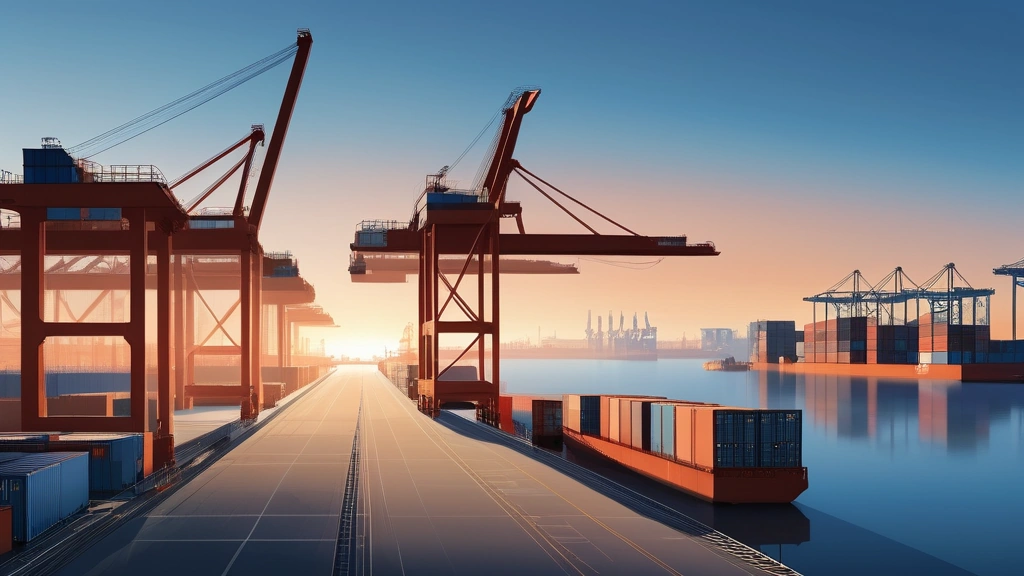
Key measures in the bill include the designation of "national trade corridors" equipped with performance metrics to prevent bottlenecks and improve overall efficiency. Additionally, the legislation overhauls the governance system for Canada’s ports, allowing them to pursue more private investment and modernize operations through better technology.

The strategy places significant focus on western Canada, facilitating the transport of resources such as energy, food, and critical minerals to Pacific Ocean ports in Vancouver and Prince Rupert for export to Asian markets. For European trade, the government identified the St. Lawrence Seaway as infrastructure that could be developed further, noting it is not currently running at capacity. Efforts are also underway to add container shipping facilities in Hamilton, Ontario, and relieve rail and highway congestion around the Great Lakes.
In northern Canada, Churchill, Manitoba, is viewed as having potential to become an Atlantic port for the prairies. However, officials acknowledge that significant infrastructure challenges remain, including the need to shore up the rail line across the muskeg landscape.