Canada Still Classifies Afghanistan Mission as 'Special Duty Area' 25 Years After Deployment
Twenty-five years after Canadian troops first deployed to Afghanistan, the federal government continues to classify the mission as a 'special duty area' rather than a war. Despite significant anniversaries in 2024 and backlash over U.S. President Donald Trump's dismissal of allied contributions, Ottawa has offered minimal public commemoration, frustrating veterans who endured heavy casualties and lasting injuries.
Twenty-five years after Canadian troops first deployed to Afghanistan, the federal government continues to classify the mission as a "special duty area" rather than a war. Under current Canadian law, the service of 40,000 troops over 13 years in Afghanistan carries this designation, even though 158 Canadian soldiers died and an estimated 2,000 were wounded during the mission.
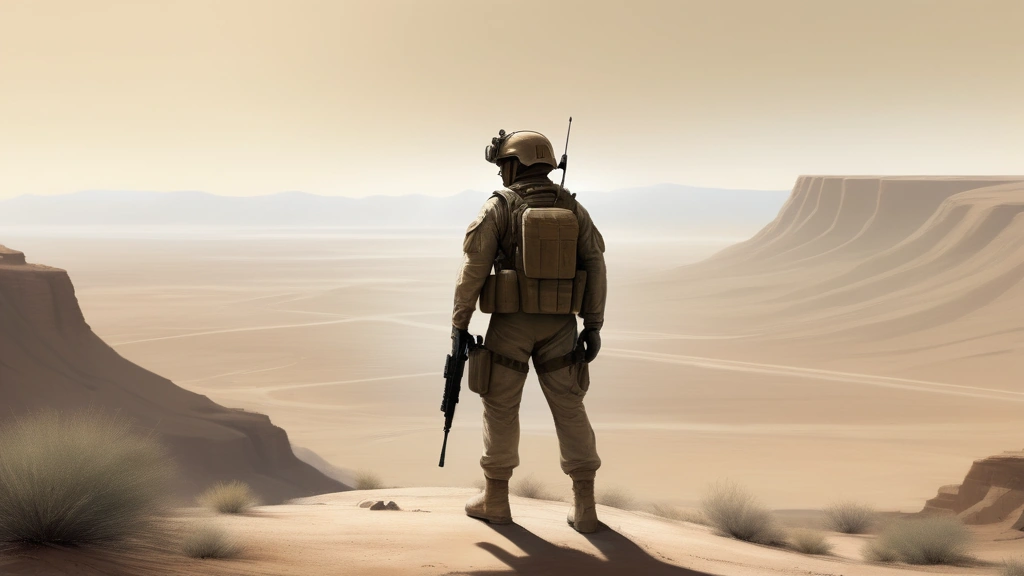
Defence Minister David McGuinty and Veterans Affairs Minister Jill McKnight recently announced that Senate bill S-246, which would designate service in the Gulf War and Afghanistan as wartime service, is subject to public consultation. However, the joint statement regarding the bill did not contain the word "Afghanistan."
Retired colonel Mark Gasparotto stated that the term "special duty area" rings hollow compared to the life-and-death realities faced by soldiers. The physical and psychological toll of the conflict remains evident among veterans. Retired corporal Bruce Moncur suffered a catastrophic brain injury in 2006 during Operation Medusa—the largest battle Canadians fought in Afghanistan—when an American warplane mistakenly strafed his position.
The dangers extended beyond conventional combat. According to retired major-general Denis Thompson, insurgents used a 10-year-old boy as a suicide bomber against a Canadian patrol in 2008.
The year 2024 marked several milestones: the 25th anniversary of Canadian troops entering Afghanistan, the 20th anniversary of major combat operations, and the 15th anniversary of the end of combat. Despite these dates, there has been minimal public commemoration from Ottawa. Only five federal statements were issued, including a 335-word joint statement and a Prime Minister's Veterans' Week statement on November 5.
The lack of domestic recognition contrasts sharply with the reaction to external criticism. In a January interview, U.S. President Donald Trump dismissed allied contributions to Afghanistan, stating allies "stayed a little back," which provoked backlash in Canada. Yet historians and former officials note that Canada struggles to acknowledge the war internally, partly due to its inconclusive end following the Taliban's return to power in 2021 and a national identity that favors peacekeeping narratives. Following the 2021 takeover, Canada accepted over 54,700 Afghan refugees.
Institutional resistance to examining the conflict persists. Historian Sean Maloney spent a decade battling the Defence Department for permission to publish his history of the war. Observers point to a collective institutional amnesia in Ottawa, characterized by a lack of comprehensive public accounting or national examination of political decisions and military strategy.