Canada Records Lowest-Ever PISA Scores Despite Remaining Above OECD Average
The 2025 PISA results show Canadian 15-year-olds achieved their lowest global scores in reading, math, and science, though they still rank above the OECD average. Significant provincial disparities and sampling concerns have prompted warnings against using the rankings to drive education reform.
The latest worldwide survey of reading, math, and science skills among 15-year-old students has drawn attention for producing the lowest global scores in the assessment's history. The Programme for International Student Assessment (PISA), administered by the Organisation for Economic Co-operation and Development (OECD) every three years since 2000, released its most recent results from the 2025 cycle, which included 83 countries and eight distinct economies. For the first time, students were tested in computational problem-solving in addition to the traditional subjects.
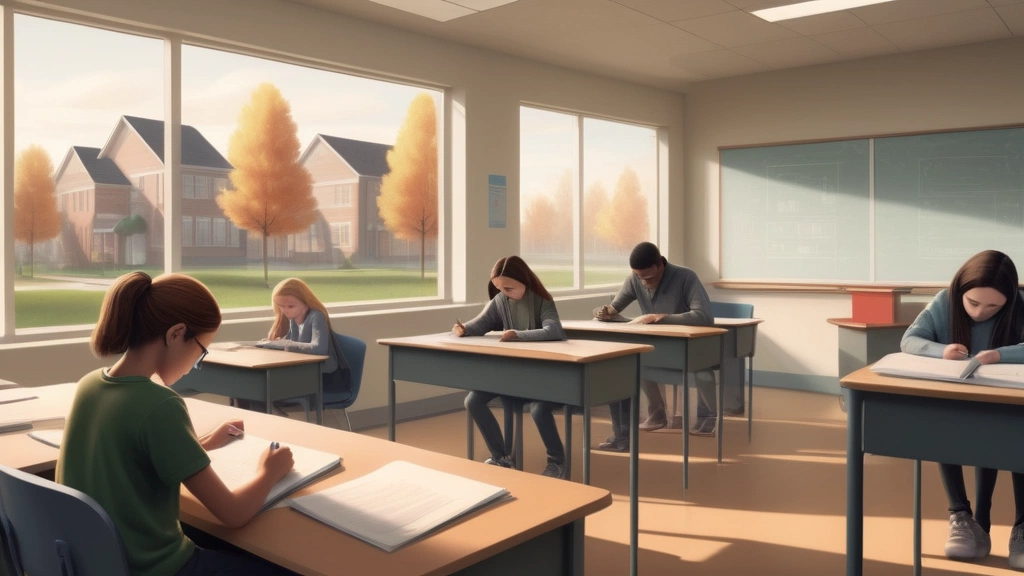
In Canada, the 2025 results represent the lowest scores ever recorded and are significantly below mean-scaled results from a decade earlier. Despite these record lows, Canadian students continue to perform above the OECD average. Globally, they rank ninth in science, 11th in math, and 12th in reading literacy. On the PISA scale, a difference of 20 points is roughly equivalent to one grade level. By this measure, the average Canadian 15-year-old is approximately one grade level above same-age peers in mathematics and almost a grade-and-a-half ahead in reading compared to the OECD average.
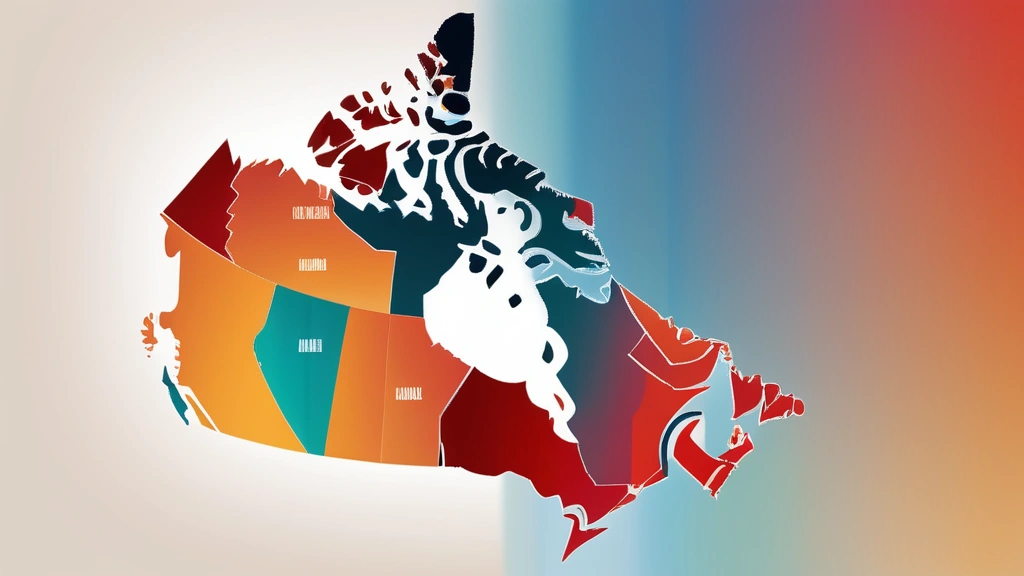
Significant differences in education exist across Canadian provinces. In science, the gap between the highest-performing jurisdiction, Alberta, and the lowest, New Brunswick, exceeds two grade levels. Interpreting these provincial results requires caution. The OECD notes that one or more PISA sampling standards were not met in seven provincial jurisdictions: Alberta, British Columbia, Manitoba, Newfoundland and Labrador, Nova Scotia, Ontario, and Quebec. There are concerns that provincial legislatures may politicize the results despite these statistical cautions.
Critics argue against using PISA rankings to drive education reform, warning that the assessment promotes short-term fixes and standardized testing rather than holistic educational outcomes. Measurement errors and sampling issues further complicate the data. More than 80 international scholars published an open letter in the Guardian criticizing PISA for promoting standardized testing and narrow measurable skills.
Looking ahead, the OECD is shifting to a four-year testing cycle. The next PISA assessment is scheduled for 2029 and will include media and artificial intelligence literacy.