Canada Pledges Up to $2.5 Billion to Boost De Havilland Water Bomber Production
The Canadian federal government is providing up to $2.5 billion in loans and loan guarantees through Export Development Canada to help De Havilland Canada double production of Canadair water bombers to 20 aircraft per year, establish a second assembly line in Alberta, and hire new staff across the country.
The Canadian federal government has pledged up to $2.5 billion in financing for De Havilland Canada to ramp up production of Canadair water bombers. The funding, expected to take the form of loans and loan guarantees delivered by Export Development Canada with confidential interest rates and repayment terms, aims to double production capacity to an eventual 20 water-scooping planes per year.
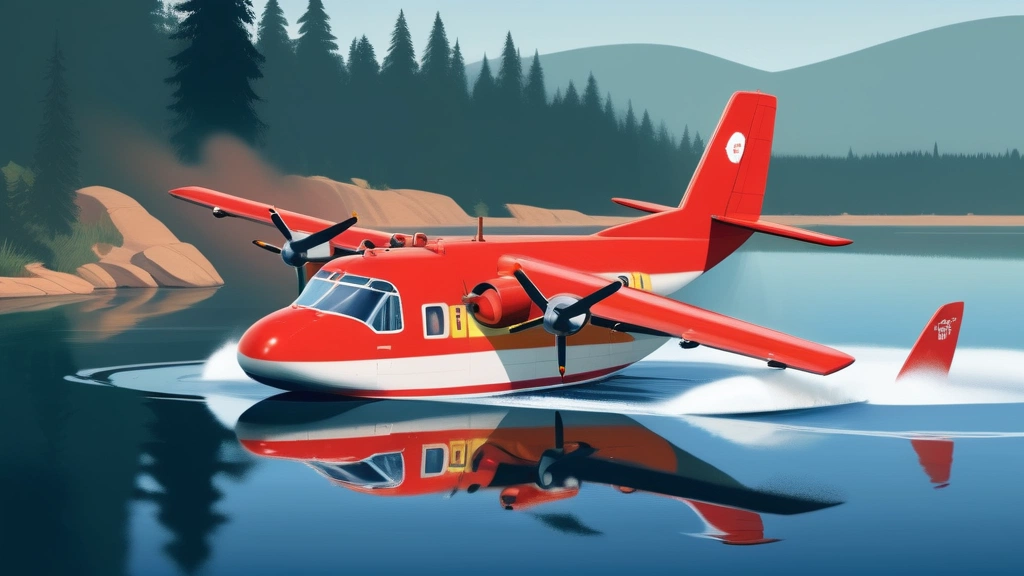
De Havilland plans to use the cash toward hiring new staff and expanding production operations in Victoria, Calgary, and Ontario. The investment will also allow for the establishment of a second assembly line in Alberta. Until last week, De Havilland was sold out through 2034, but the fresh financing will enable more planes to be assembled simultaneously starting in 2030.
Canadair turboprops are currently the only amphibious firefighting aircraft in production built from the outset for that purpose rather than being retrofitted. There are about 160 water bombers currently in service across the globe, mainly in Canada, the United States, and Europe. De Havilland’s order book now totals 38 new planes, comprising 24 for six European countries, six for Ontario, five for Alberta at a total cost of $400 million, and three for Manitoba.
Neil Sweeney, vice-president of corporate affairs at De Havilland, stated that an order for 50 new water bombers would provide the financial runway to launch a second production line in Wheatland County, Alberta. A draft joint statement from the Canada-European Union summit in September had pledged an order for 50 De Havilland water bombers, but the final statement retained only the 24 planes already ordered by European countries.
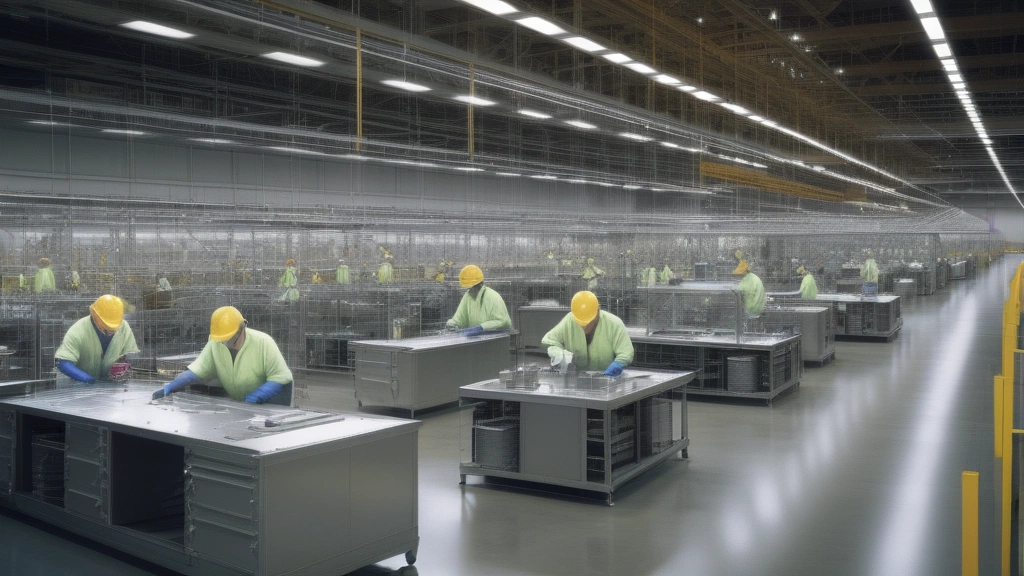
De Havilland revived production of the Canadian-made planes in 2022 after the assembly line halted in 2015 under Bombardier Inc. However, the projected delivery date for the first Canadair DHC-515, formerly known as the CL-515, has been pushed to early 2028 due to procurement hurdles and an evaporated supply chain involving 60,000 parts. Industry insiders highlighted that the production pace is limited by hand-riveting and a lack of automation, projecting an initial rate of 10 planes per year before eventually reaching 20.
CEO Brian Chafe framed the facility currently under construction as a "world-class aerospace hub" and a "state-of-the-art campus." Meanwhile, competition is growing, with firms such as Positive Aviation, Kepplair Evolution, Hynaero, and Italy’s 19-01 Holding developing their own water bombers. Italy's 19-01 Holding is aiming for a prototype by 2028.
John Gradek, an aviation management professor at McGill University, questioned who carries the risk if De Havilland cannot build airplanes at scale, noting that they have never built one of these airplanes.