Canada Tables Bill C-39 to Accelerate Major Projects, Sparking Environmental Concerns
The Canadian federal government has introduced Bill C-39, the Building Canada Strong Act, aiming to speed up major infrastructure projects in response to economic threats from the United States. While officials describe it as a critical economic measure, experts and environmental groups warn that the legislation may dismantle key ecological protections by allowing early construction permits and permanent regulatory exemptions.
The Canadian federal government has tabled Bill C-39, known as the Building Canada Strong Act, which Prime Minister Mark Carney and House Leader Steven MacKinnon characterize as a vital economic initiative designed to accelerate major projects amid threats posed by U.S. President Donald Trump. 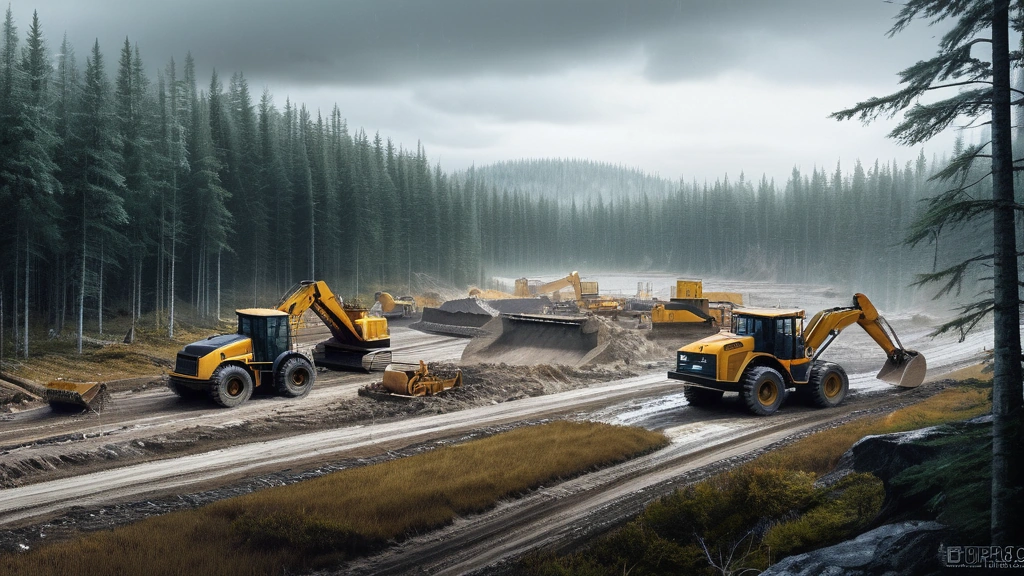
House Leader Steven MacKinnon described the bill as one of the most significant pieces of economic legislation in a generation. The primary objective is to ensure project decisions are made within a one-year timeline. To achieve this, the bill contains more than 300 clauses that amend over a dozen separate pieces of federal legislation, including laws related to environmental protection, species at risk, fisheries, and labour codes.
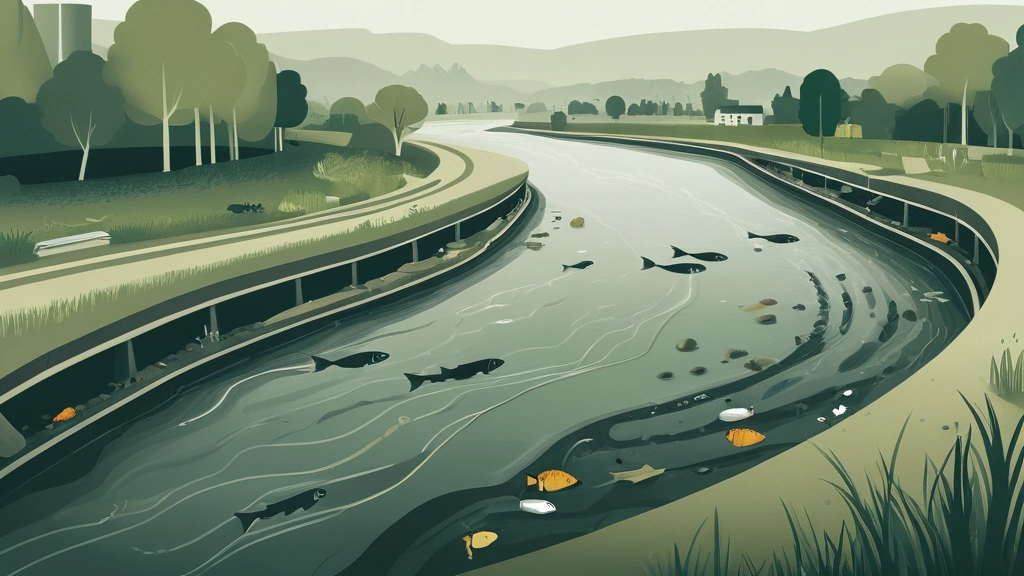
A central point of contention involves provisions that would allow Ottawa to grant permits for preliminary construction before the Impact Assessment Agency of Canada completes its work. This could occur if the environment minister deems such activities "enabling" and in the "public interest." Environment and Climate Change Minister Julie Dabrusin stated that the government is not rolling back environmental regulations. However, critics argue these changes prioritize speed over ecological safety, potentially harming wildlife habitats and water quality.
The legislation also makes permanent controversial sweeping powers previously found in the Building Canada Act (Bill C-5), removing the original five-year sunset clause. These "Henry VIII" powers allow the government to exempt specific projects from existing regulations. Alberta's West Coast pipeline and the Robert Banks Terminal 2 port expansion in British Columbia’s lower mainland are reportedly on track to obtain exemptions under these new powers.
Furthermore, Bill C-39 expands the concept of a "project of national interest" to create entire "regions of national interest," such as the Ring of Fire in northern Ontario. In Nova Scotia, a regional assessment has been completed for wind development offshore covering a 300,000-square-kilometre study area, illustrating the scale of regions potentially affected by these designations.
Environmental organizations and experts have raised alarms about other specific amendments. The bill allows ministers to exempt water bodies from oversight regarding dumping materials or draining lakes, a power that currently requires federal cabinet approval. Changes proposed to the Fisheries Act could permit projects to harm fish habitat if protection is deemed not economic or practical, with compensation handled through an expanded fish habitat bank regime.
Regarding species at risk, the "jeopardy test" provision in the Species at Risk Act was kept intact following opposition. Nevertheless, ministers retain the ability to consider "technical, economic and practical" factors when permitting construction in sensitive areas. Proponents suggest these measures will save time and money for industries, while opponents view them as bypassing essential scientific impact assessments and undermining democratic checks and balances.