Canada's New Federal Budget Projects Defence Spending to Reach $157 Billion by 2030
Canada's latest federal budget forecasts annual defence spending will rise to roughly $157 billion, or slightly more than four per cent of GDP, by the end of the decade. While the plan outlines significant investments in drones, infrastructure, and the NATO mission in Latvia, analysts question whether the government can sustain growth toward the alliance's five per cent target beyond 2029.
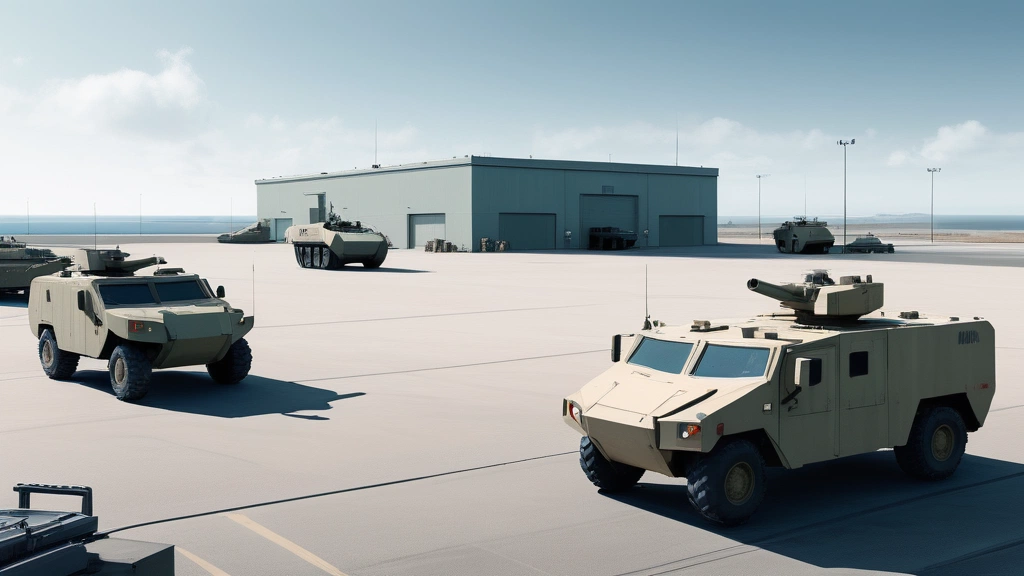
Canada's new federal budget projects that annual defence spending will reach approximately $157 billion by the end of the decade, representing slightly more than four per cent of the country's gross domestic product. By the 2030-31 fiscal year, direct spending on the military is forecast to amount to $99.2 billion, with an additional $58.3 billion allocated for defence infrastructure.
In the ongoing budget year, direct military spending is expected to total $75 billion alongside $50 billion for defence infrastructure. Those figures are projected to rise in the 2027-28 budget year, when direct military spending is expected to reach $89 billion and infrastructure spending will climb to $52 billion.
Prime Minister Mark Carney's government faces pressure to meet the NATO target of spending five per cent of GDP on defence by 2035. Finance Minister François-Philippe Champagne defended the budget's level of detail, stating it offers "more transparency than most G7 countries" regarding cash-basis spending until 2030. However, Champagne noted that the budget focuses on building up Canada's defence industry rather than detailing specific rearmament plans for the Canadian military.
The budget references planned purchases of up to 12 submarines, airborne early warning jets, armoured vehicles, and drones, but does not address other urgent equipment shortfalls facing the armed forces.
Specific allocations outlined in the budget include $2.3 billion over five years, starting next year, to accelerate the discovery, acquisition, and deployment of uncrewed and counter-uncrewed capabilities. The government also extended the deployment of Canadian troops in Latvia to 2031, attaching a fiscal plan figure of $7.1 billion for that NATO mission.
Domestically, $25 million is allocated to military health services to support victims of the fire at the training range in Wainwright, Alta., and their families. An additional $3 million will go directly to the Wainwright Military Family Resource Centre.
Despite the projected increases, analysts remain skeptical that the federal government will stay on the path toward five per cent GDP spending after 2029, when NATO has set a review of the commitment. Dave Perry, president of the Canadian Global Affairs Institute, noted that while Canada is currently meeting the gradual rise mark, there is no plan for growth beyond 2030.
Sahir Khan from the University of Ottawa's Institute of Fiscal Studies and Democracy suggested that pressure to hold fast to targets may decrease as the Trump administration winds down between now and 2029.