Canada Extends Federal Fuel Excise Tax Suspension Through January 2027
Bill C-38, the Canadian Fuel Affordability Act, received Royal Assent on October 29, 2026, extending the temporary suspension of the federal fuel excise tax until January 31, 2027. The measure is expected to deliver an additional $2.9 billion in relief, bringing total estimated savings for 2026–27 to $5.3 billion.
Bill C-38, the Canadian Fuel Affordability Act, received Royal Assent on October 29, 2026, extending the temporary suspension of Canada’s federal fuel excise tax until January 31, 2027. 
The federal fuel excise tax was originally suspended on April 20, 2026. During that initial suspension, Canadians saved 10 cents per litre on gasoline and unleaded aviation gasoline, 11 cents per litre on leaded aviation gasoline, and 4 cents per litre on diesel fuel and aviation fuel. On the first day of implementation, gasoline prices declined by 11 cents per litre.
Under the newly enacted legislation, the full suspension remains in place through the end of January 2027. While this relief continues, Canadians are expected to save more than $5 every time they fill a typical 50-litre tank of gasoline. The extension is projected to deliver an additional $2.9 billion in relief, increasing total estimated fuel tax savings for Canadians to $5.3 billion for the 2026–27 period.
Following the full suspension, a transition phase will run from February 1, 2027, to March 31, 2027, during which federal fuel excise tax rates will be restored at 50 per cent of their regular levels. In this period, tax rates will be 5 cents per litre for gasoline and unleaded aviation gas, 5.5 cents per litre for leaded aviation gas, and 2 cents per litre for diesel and aviation fuel. 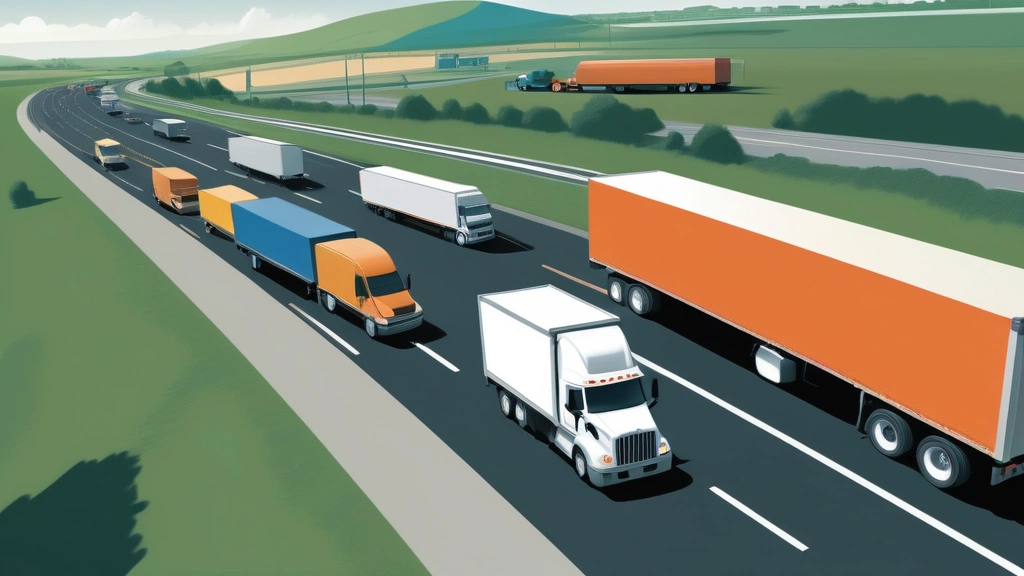
Effective April 1, 2027, federal fuel excise tax rates will return to their full levels: 10 cents per litre for gasoline and unleaded aviation gas, 11 cents per litre for leaded aviation gas, and 4 cents per litre for diesel and aviation fuel.
According to the Government of Canada, the extended relief is intended to help make life more affordable for Canadians facing higher fuel costs driven by global instability and supply disruptions in the Middle East. The measure also supports truckers and businesses operating in the food, agriculture, housing, construction, delivery, and aviation sectors, reduces costs across domestic supply chains, and shields Canada’s economy from global disruptions.