Halifax Rental Market Faces Extreme Affordability Burden as Rents Rise Amid Population Surge
Halifax has been ranked as an extreme-burden city for housing affordability, with rents climbing while other major Canadian markets see declines. Rapid population growth between 2022 and 2025 has outpaced housing completions, driving intense competition for scarce rental units.
Halifax is confronting severe rental affordability challenges as its housing costs increasingly strain local incomes, even as average rents decline in other major Canadian cities. According to the Urban Stress Index, Halifax ranks as an "extreme-burden city" with a score of 76.35, surpassing Vancouver at 73.5 and Toronto at 73.1.
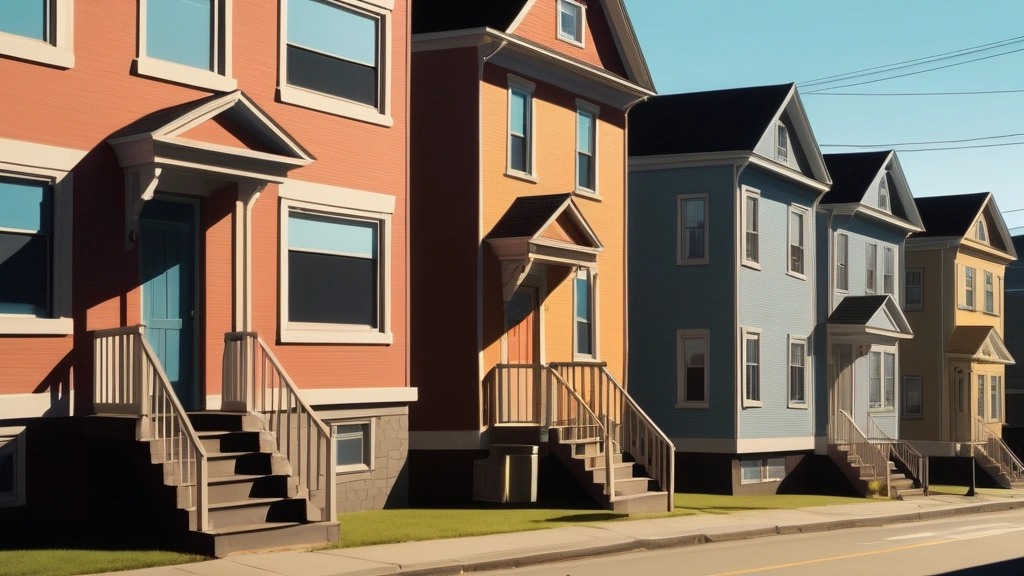
While Canada Mortgage and Housing Corporation (CMHC) data places Halifax's average two-bedroom rent at $1,800—lower than Vancouver's $2,400—the region's low vacancy rates have pushed available units to prices comparable to larger markets. CMHC lead economist Kelvin Ndoro stated that the core issue in Halifax is availability rather than absolute price, noting that lower-end market units are particularly scarce.
Data from Rentals.ca shows that Halifax's average asking rent rose by 1.6 per cent in September to $2,319, making it one of the few major Canadian cities to record an increase while national averages declined. By contrast, Toronto saw a 2 per cent decrease and Vancouver a 1.4 per cent decrease over the same period. The national average rent currently stands at $2,034, down from a peak of $2,202 in May 2024.
Nova Scotia now holds the second-highest average rent in Canada at $2,321, trailing only British Columbia at $2,373. Over the past three years, Nova Scotia's average rent has increased by 11.2 per cent. For three-bedroom units specifically, the province recorded a 6.9 per cent increase from last year, bringing the average monthly rent to $3,010, compared to $3,340 in British Columbia. In nearby Dartmouth, the average asking rent is $2,292.
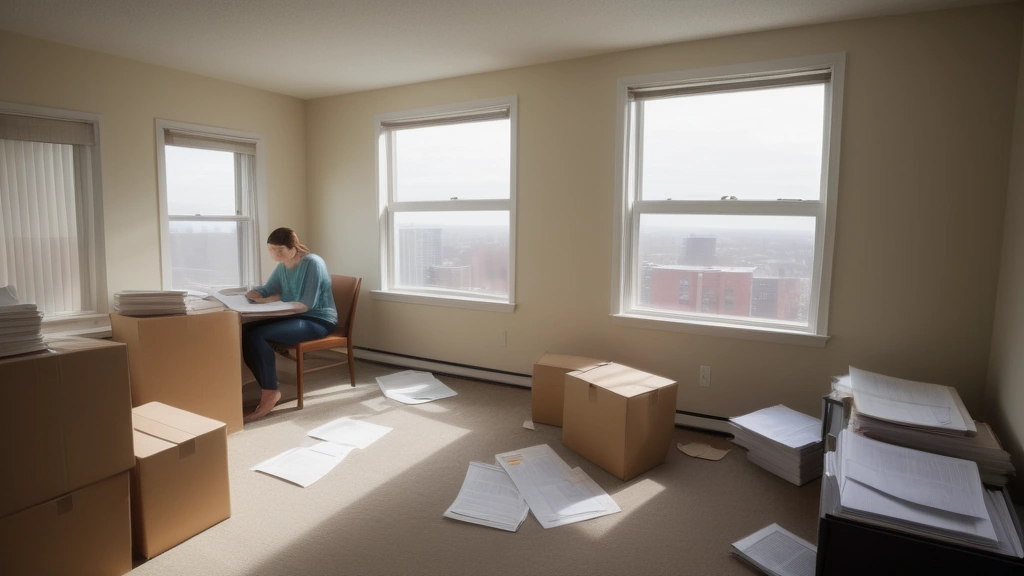
Long-term trends highlight steep increases across all unit types in Halifax. From 2019 to June 2026, studio apartment rents climbed 72 per cent to an average of $1,560, marking the largest increase among all Canadian cities. One-bedroom rents rose 69.4 per cent to $1,880, two-bedroom rents increased 75.8 per cent to $2,400, and units with three or more bedrooms jumped 79 per cent to $2,940.
These rising costs coincide with rapid demographic shifts. Between 2022 and 2025, approximately 63,000 people moved to Halifax, representing a decade's worth of population growth compressed into three years. During the prior decade from 2012 to 2021, the city added 56,300 residents. Housing supply has not kept pace: over the last four years, there were 4.8 new residents for every completed home, compared to 2.2 residents per completed home in the decade prior.
The current vacancy rate sits at 2.7 per cent, up slightly from 2.1 per cent last year, but remains low enough to create intense competition for available apartments. As a result, newcomers and long-term residents alike face difficulty saving for down payments due to high living costs, adding regional economic pressure as Halifax rents continue to diverge from declining national trends.