LNG Canada Approves Phase 2 Expansion, Doubling Kitimat Terminal Capacity
LNG Canada and its joint venture partners have approved the final investment decision for the Phase 2 expansion of the liquefied natural gas export terminal in Kitimat, British Columbia. The project will double production capacity to 28 million tonnes annually, prompting TC Energy to proceed with the Coastal GasLink Phase 2 pipeline expansion.
LNG Canada and its joint venture partners, led by Shell, have approved the final investment decision (FID) for the Phase 2 expansion of the liquefied natural gas (LNG) export terminal in Kitimat, British Columbia. This multi-billion-dollar initiative aims to double the facility's production capacity from 14 million to 28 million tonnes per year.
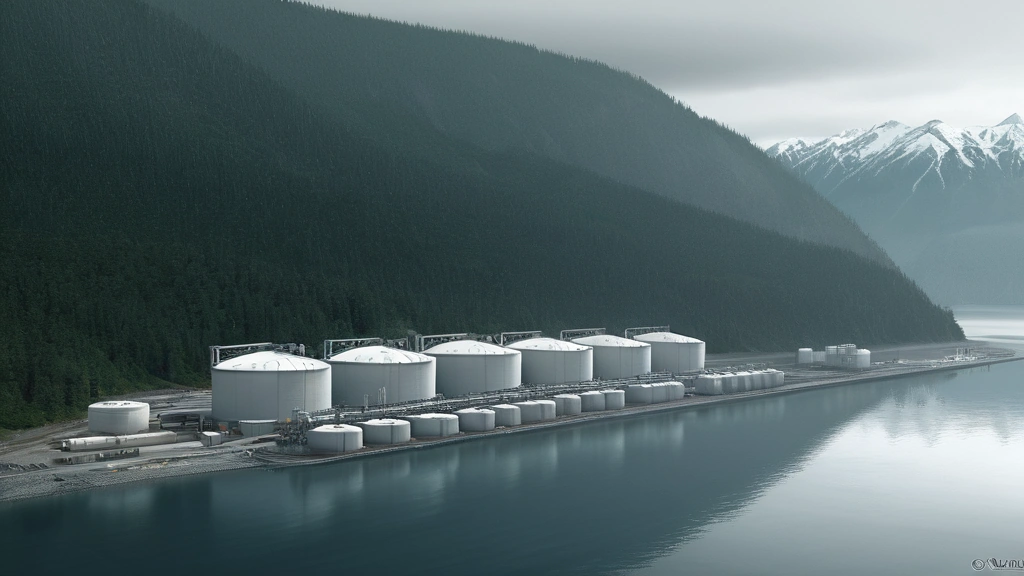
The expansion involves adding two additional LNG processing units, known as trains, along with new storage tanks, condensate tanks, loading berths, and expanded utility systems. Under the commercial agreements, LNG Canada will lead the construction effort as the Phase 2 Execution Manager, while Coastal GasLink remains the owner, operator, and permit holder for the associated infrastructure.
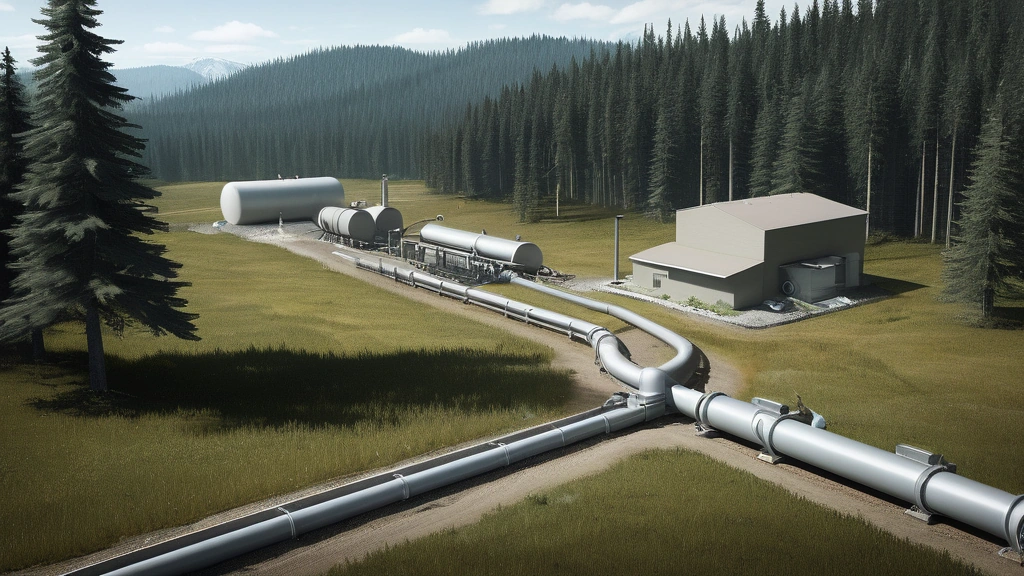
Following the LNG Canada FID, TC Energy announced that the Coastal GasLink Phase 2 pipeline expansion will proceed. This move satisfies conditions for a previously approved conditional FID. The pipeline expansion is designed to nearly double transport capacity by adding new compressor stations and upgrades along the existing 670-kilometre route from Dawson Creek to Kitimat. Construction on the pipeline phase is expected to commence in early 2027, with an anticipated in-service date in the early 2030s. During peak construction, up to 2,100 people are estimated to be employed across five sites.
Prime Minister Mark Carney highlighted the announcement during a visit to Vancouver on Tuesday, describing it as a "historic investment" in Canada's energy industry. LNG Canada CEO Chris Cooper stated that the project will create thousands of jobs and strengthen Canada's role as a trusted energy partner. The joint venture includes Shell, Petronas, PetroChina, Mitsubishi Corporation, and Korea Gas Corp (KOGAS). Shell Canada Energy holds a 40 per cent interest in the venture.
The approval has sparked debate among political parties ahead of the October 24 election in British Columbia. B.C. Conservative Leader Lorne Doerkson promised to triple LNG production by 2035 by cutting red tape, while the B.C. NDP claimed their own plans were more ambitious. Conversely, the B.C. Greens called for a moratorium on LNG expansion due to environmental risks and concerns regarding Indigenous rights.
Environmentalists criticized the expansion, arguing that ramping up LNG production increases emissions. They cited federal warnings about climate impacts, including projections of a 5°C hotter future, potential disappearance of glaciers in western Canada, and longer summer droughts. Proponents describe LNG as a cleaner-burning fuel that supports allies, but critics dispute this label due to the energy required for production and the resulting destruction.