Nova Scotia Introduces New Registration Levy for Electric and Plug-in Hybrid Vehicles
Starting October 1, Nova Scotia will impose a $500 levy on electric vehicles and a $250 fee on plug-in hybrids during biennial registration renewals. The provincial government cites road maintenance funding gaps as the reason, making Nova Scotia the fourth province to adopt such measures. Critics argue the flat fee structure is unfair and hurts affordability.
Nova Scotia will implement a new registration levy for electric and plug-in hybrid vehicles starting October 1. Under the new rules, renewing an electric vehicle permit will carry an additional $500 charge on top of the standard registration fee, while plug-in hybrid vehicles will face a $250 extra fee. These charges apply every two years when registrations are renewed. Gas hybrid vehicles are exempt from the new levy.
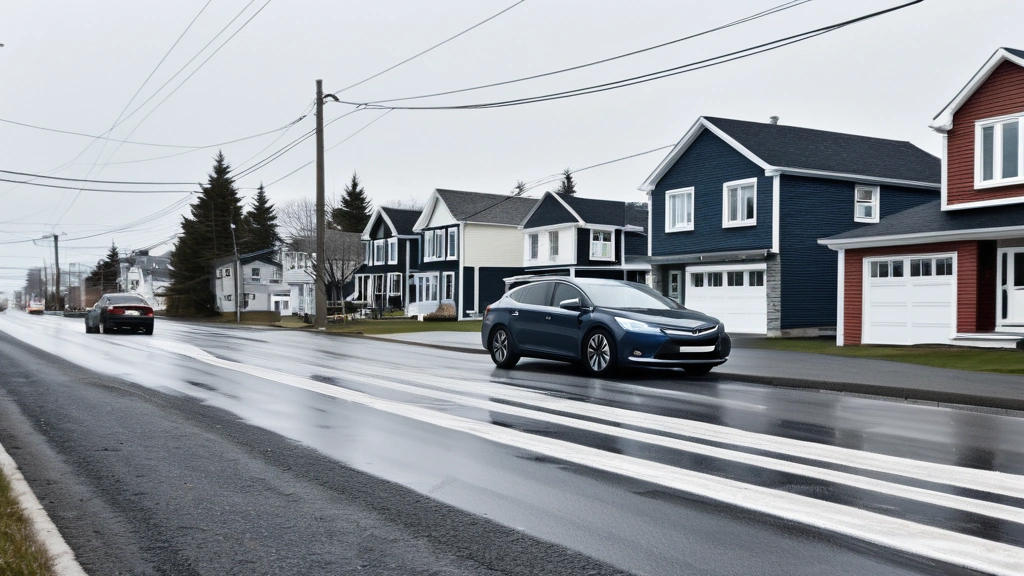
The provincial government introduced the levy in February. Officials justify the measure by noting that road construction and maintenance are partially funded by gas taxes, which are reduced or absent for electric and hybrid vehicles. With fewer drivers paying into the fuel tax system, the government argues there is a funding gap for infrastructure upkeep.
With this implementation, Nova Scotia becomes the fourth province in Canada to create a levy on electric vehicles. Saskatchewan currently charges a $300 annual fee for electric vehicles, while Alberta imposes a $200 yearly charge. Quebec is scheduled to begin charging $125 for electric vehicles in 2027.
The Nova Scotia levy applies to passenger vehicles, light trucks, and vans. However, it excludes vehicles used by municipalities, fire departments, or police forces.
Critics have raised concerns about the fairness and economic impact of the policy. Kurt Sampson of the Electric Vehicle Association of Atlantic Canada opposes the levy's structure, arguing that it creates a two-tiered system that does not depend on actual fuel usage or distance driven. He contends that a flat fee fails to account for mileage, meaning low-mileage drivers pay the same amount as high-mileage users.
Sampson also highlighted broader economic factors, claiming that the federal government cut the gas tax this year due to higher fuel costs resulting partly from U.S. President Donald Trump’s war in Iran. According to Sampson, adding the provincial levy increases car registration payments from approximately $200 to $700 every two years. He states this significant jump hurts affordability for individuals living paycheck to paycheck.
Furthermore, Sampson noted that electric vehicles rely less on gas, reducing the need for heavy tanker trucks that cause more road damage, suggesting that EVs may contribute less to wear and tear than traditional vehicles.