Ottawa Set to Designate Proposed West Coast Oil Pipeline as Project of National Interest
Prime Minister Mark Carney and Alberta Premier Danielle Smith are expected to announce the designation of a proposed $35.2 billion to $44 billion West Coast oil pipeline as a project of national interest on October 1, placing it within an accelerated regulatory framework.
Prime Minister Mark Carney and Alberta Premier Danielle Smith are scheduled to make an announcement Thursday morning in Fort McMurray regarding the next step for a major infrastructure project. The event coincides with Ottawa’s self-imposed October 1 deadline to officially designate a proposed West Coast oil pipeline as a project of national interest.
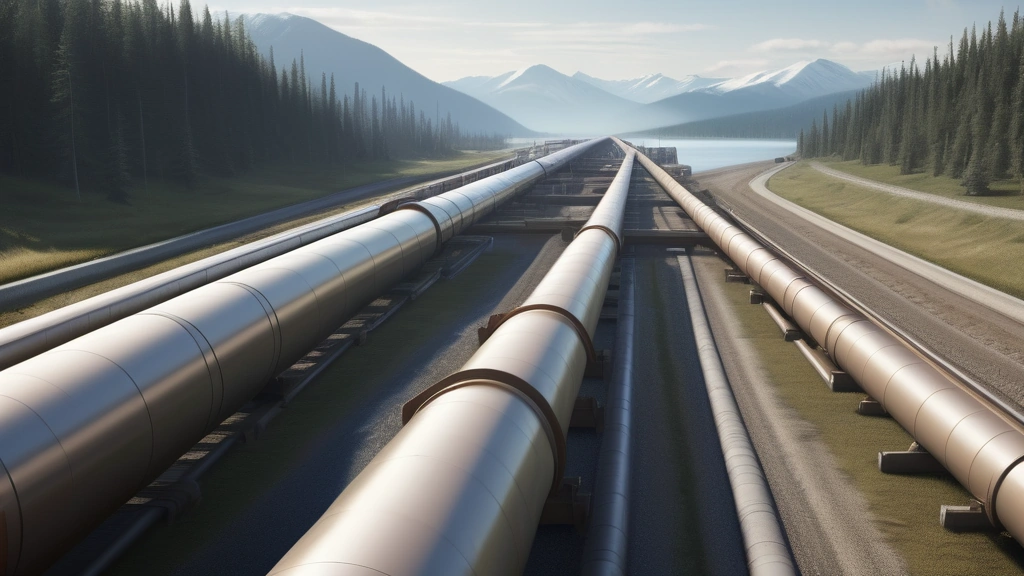
The designation would place the proposal within the federal government’s accelerated major-projects framework under the Building Canada Act—also referred to as the Building Canada Strong Act or Bill C-39—but does not constitute final construction approval. The legislation provides powers to fast-track major infrastructure projects, aiming to diversify Canadian oil exports away from the United States.
The roughly 1,250-kilometre pipeline is designed to carry upwards of one million barrels of crude oil daily from Bruderheim, Alberta, to a port south of Vancouver near Delta, British Columbia. This new capacity exceeds the expanded Trans Mountain line’s capacity of 890,000 barrels per day. The proposed route largely follows the existing Trans Mountain Expansion corridor but avoids terminating on B.C.’s north coast due to a tanker ban and political refusal by the B.C. government, instead using the southern Roberts Bank terminal.
Cost estimates for the project vary. Global News reports the pipeline is estimated to cost between $35.2 billion and $43.7 billion, while the Financial Post cites an estimate of $44 billion. If designated, ownership would be shared among Trans Mountain, the Alberta Petroleum Marketing Commission, and Pembina Pipeline Corp. Pembina holds a 10 per cent ownership stake with an option to purchase an additional 10 per cent once the line is operational.
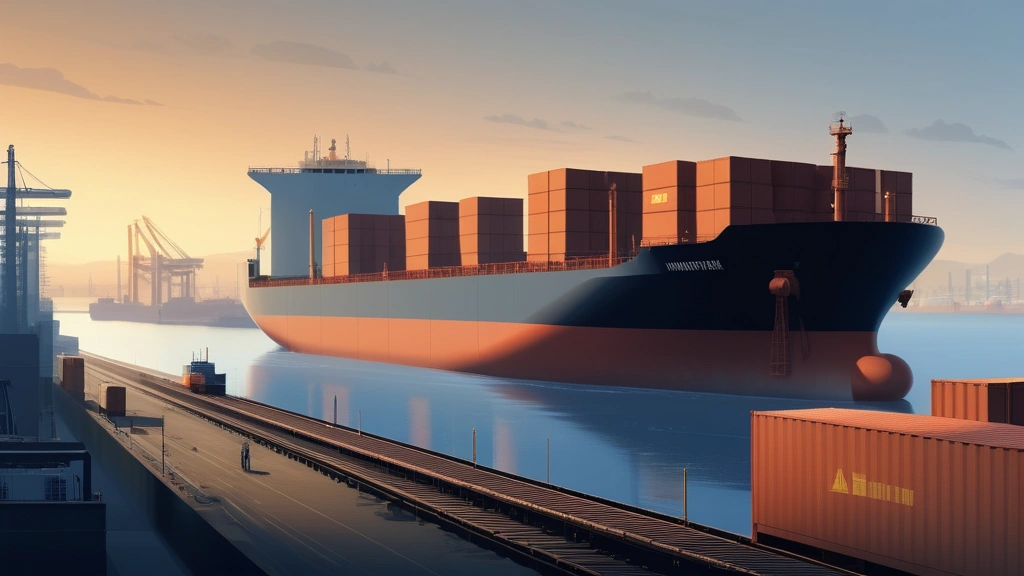
Prime Minister Carney has stated the project will create nearly 150,000 jobs across the country. A TD Economics report suggests a new West Coast pipeline would boost Canada’s oil exports by 20 per cent and more than double overseas tanker shipments to Asia.
When unveiling the proposal in July, Carney promised meaningful ownership to the 129 Indigenous communities along the route. To support this, Ottawa recently doubled its Indigenous loan guarantee program to $10 billion, and the Canada Infrastructure Bank has earmarked at least $3 billion for revenue-generating Indigenous infrastructure. Additionally, the Alberta Indigenous Opportunities Corp. guarantees debt for communities using $3 billion in provincial funds to buy into projects.
Environmental groups oppose the project, citing concerns over climate emissions, marine risk, taxpayer exposure, and the bypassing of environmental law.