Canada Produces Record Crude but Shuns New Refineries Amid High Costs and U.S. Competition
Despite producing a record 5.35 million barrels of crude per day in 2025, Canada is not building new refineries due to prohibitive construction costs, environmental regulations, and established U.S. infrastructure optimized for Canadian heavy oil. Regional logistics still force significant fuel imports from the United States.
Canada produced a record 5.35 million barrels of crude per day in 2025, yet the country continues to rely on existing infrastructure rather than building new refineries. Approximately four million barrels per day of that crude went to the United States.
Canada’s 16 refineries processed about 1.6 million barrels per day, running at 90 percent of capacity. These facilities produce most of the gasoline, diesel, and jet fuel consumed domestically, with Canadians using roughly 830,000 barrels of gasoline per day. Despite this national production surplus, regional logistics necessitate significant fuel imports.
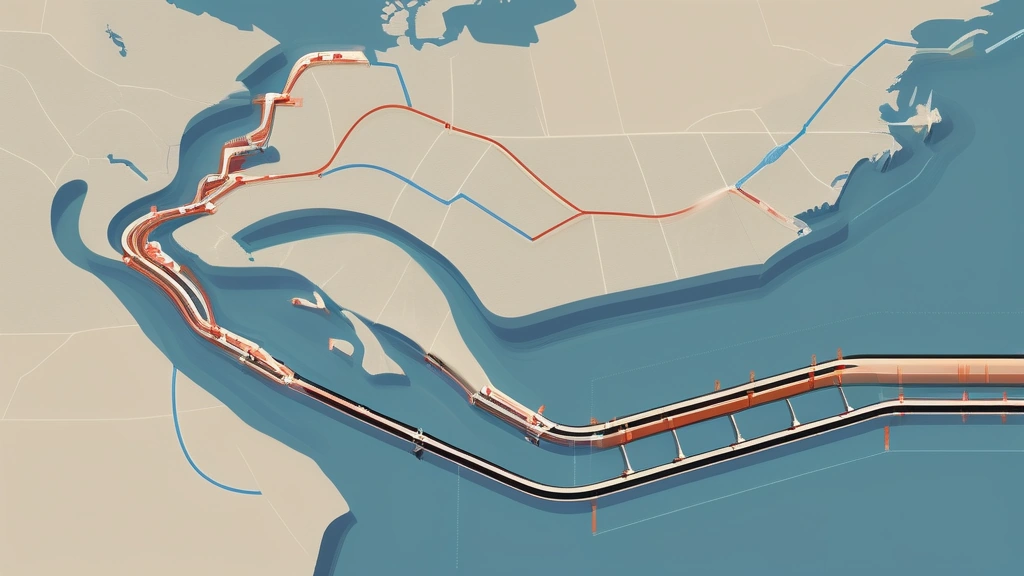
Imports of refined petroleum products into Canada rose three percent in 2025 to 485,000 barrels per day. Nearly 80 percent of those imports came from the United States. Alberta is Canada’s biggest importer of refined products at about 200,000 barrels per day, largely consisting of condensate used to thin bitumen. British Columbia relies on refineries in Washington state, which supplied 34,000 barrels per day of refined products to B.C. in 2025. Additionally, no pipeline currently carries western crude all the way to Atlantic Canada, forcing eastern refineries to rely partly on imported oil.
Several factors deter new domestic refining investment. U.S. refiners made heavy capital investments on the Gulf Coast and in the Midwest specifically to process Alberta’s heavy sour crudes, creating a competitive disadvantage for new Canadian plants. Environmental regulations and high capital costs for construction in Canada have historically made building refineries prohibitive.
The Sturgeon refinery, formerly known as the North West Upgrader, serves as a cautionary tale regarding these economic risks. The facility began commercial operations in 2020, years behind schedule. Its final cost reached roughly $10 billion, exceeding the original $6.5-billion cap on provincial exposure.
Prior to the 2008 financial crisis, 11 upgrading projects representing over $100 billion in investment were underway or in development in Alberta. Those projects ultimately did not materialize as planned.
Current geopolitical disruptions—including supply issues tied to the U.S.-Iran conflict and Ukrainian attacks on Russian refining capacity—have pushed refining margins to levels described as incredible. However, these improved margins have not triggered new capital investment in Canadian refinery construction.