Halifax Council Calls for Provincial Review of Property Tax Cap Program Over Equity Concerns
A report presented to Halifax Regional Council reveals significant disparities in Nova Scotia's Capped Assessment Program, which ties property tax increases for long-term homeowners to the Consumer Price Index while new buyers and non-owner-occupied properties pay based on full market value. Council voted 12-5 to ask the province to review the program.
A report presented to Halifax Regional Council has highlighted significant inequities created by Nova Scotia’s Capped Assessment Program (CAP), prompting councillors to call for a provincial review of the system.
The CAP, installed in 2005, ties annual property tax increases for long-term homeowners to the Consumer Price Index. New buyers and non-owner-occupied properties, however, are taxed based on full market value. According to the report, this structure has produced wide disparities even among similar homes on the same street. In Dartmouth, 2026 tax bills for comparable houses ranged from $4,400 to $7,800, with the difference attributed to how long the homeowners have lived there under the CAP. 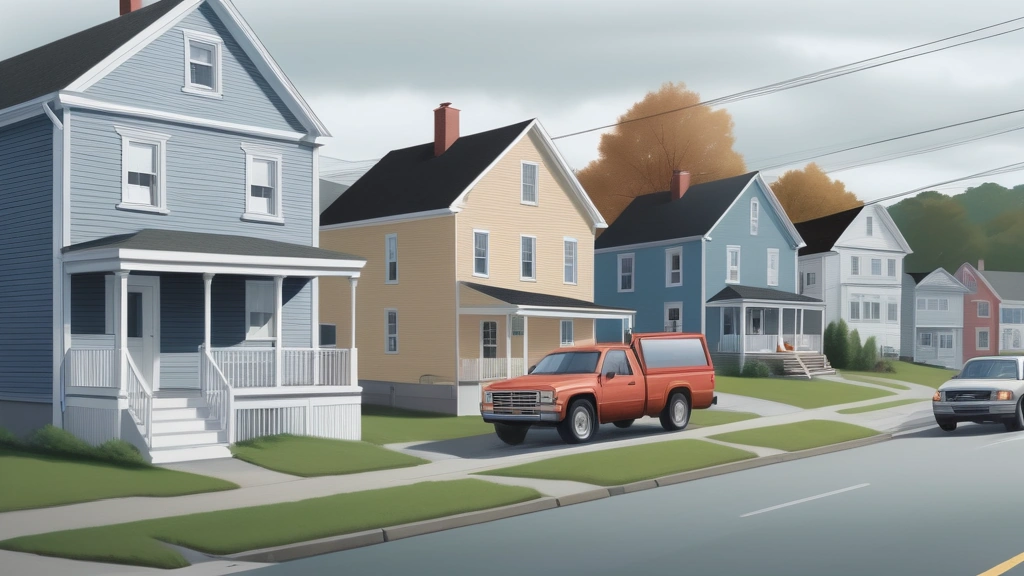
In 2026, 83 per cent of residential properties were capped, meaning the remaining 17 per cent—primarily new homeowners and non-owner-occupied condo units—pay a disproportionately higher share. A broader measure found that 79 per cent of all taxable Halifax properties were capped, leaving 21 per cent without it, including new homebuyers and large apartment buildings, to shoulder a larger portion of the tax burden. The gap between market and taxable assessments has widened significantly, growing from 10 per cent in 2010 to 27.5 per cent in 2026.
These disparities affect different parts of the municipality unevenly. Homeowners in south-end Halifax are paying about $3,800 more a year on average in property tax due to lower cap eligibility rates and higher assessed values. Rental properties with four or more units do not qualify for the CAP. If the program were eliminated, such buildings would have paid an average of $16,300 less in 2026, equating to $519 per apartment. Non-profits and charitable housing providers are also ineligible for the CAP despite offering below-market rents, creating a competitive imbalance against for-profit providers.
The impacts extend across demographics. New homeowners experience what is described as “tax shock” upon purchase. Seniors feel stuck and worried about downsizing due to potential tax increases, while military families face heavy tax bills repeatedly because of job mobility. The disparity between capped and uncapped properties has also created intergenerational inequities.
If the CAP was removed tomorrow, around 16,000 homeowners would pay less tax, but the Halifax Regional Municipality (HRM) would not collect more money overall, as the burden would simply be redistributed. Removing the cap this fiscal year would allow Halifax to lower the urban residential tax rate by about 24 per cent, dropping from $1.135 to $0.854 per $100 of assessed value. Renters may see slower rent increases if landlords save on taxes, though there is no guarantee of lower rents. 
In response to the findings, Halifax regional council passed Coun. Janet Steele’s motion by a vote of 12 to five to ask the mayor to request a provincial review of the capped assessment program and seek solutions to improve fairness and housing affordability. Previous efforts to reform the CAP have failed, including a push in 2020 by the Nova Scotia Federation of Municipalities.