Empire Co. Ltd. Agrees to End Restrictive Property Controls in Canadian Grocery Sector
Empire Company Limited, parent of Sobeys and other chains, has reached an agreement with Canada's Competition Bureau to cease using restrictive property controls, aiming to boost competition and lower consumer prices.
Empire Company Limited, the parent company of major grocery chains including Sobeys, Farm Boy, Safeway, Freshco, and IGA, has reached an agreement with Canada’s Competition Bureau to end the use of restrictive property controls. This development follows a 2024 investigation into anti-competitive practices within the grocery sector, which was triggered by federal committee hearings in 2023 regarding rising grocery prices.
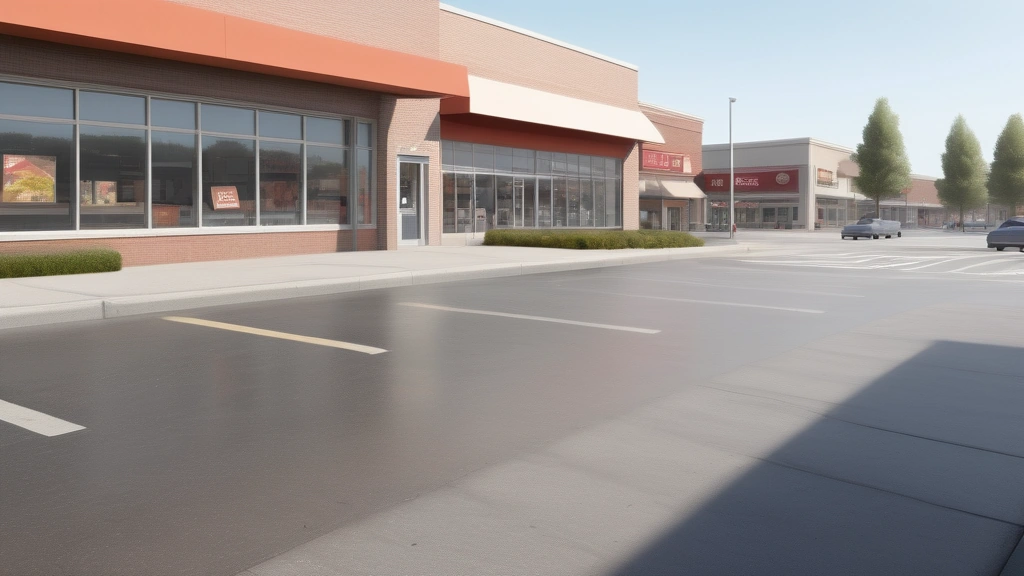
The investigation focused on how large grocery networks utilize legal mechanisms in real estate deals to limit competition. These mechanisms include exclusivity clauses that prevent rival stores from opening nearby and restrictive covenants that ban food sales at neighboring non-grocery retailers, such as dollar stores or gyms. CBC Marketplace previously identified land title documents restricting stores within a five-kilometer radius from selling perishable food items.
Under the new deal, Empire is legally required to refrain from using new or existing restrictive covenants. However, the company is permitted limited use of exclusivity clauses to prevent direct competitors from opening on shared developments. The Competition Bureau identified 19 specific scenarios where these exclusivity clauses were considered justified because they encouraged investment in new shopping plazas.
This agreement mirrors commitments made by Loblaw Companies Limited, another major player in the second-largest grocery network in Canada. Loblaw had previously agreed to curb its use of property controls, specifically ceasing enforcement of restrictive covenants and limiting exclusivity clauses in 2025.
Earlier this year, the federal government granted the Competition Bureau increased authority to enforce property control rules. The goal of these regulatory actions is to increase competition in the grocery sector, potentially leading to lower prices, more choices, and innovation for consumers. The changes are also expected to make it easier for independent grocers, butchers, and bakeries to enter the market.