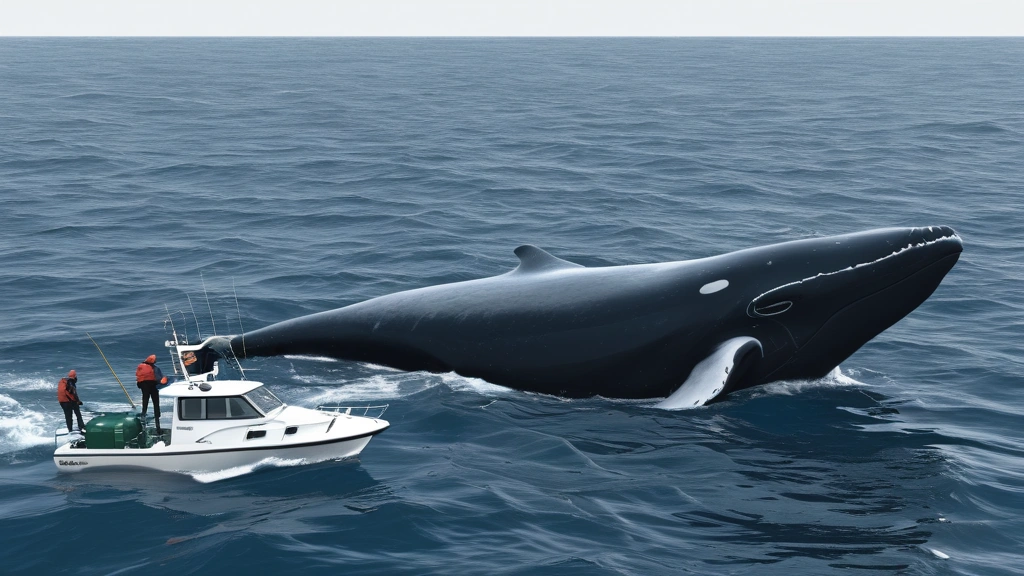
Study: North Atlantic Right Whales Face Higher Collision Risk at Night
A new study published in PLOS One reveals that critically endangered North Atlantic right whales feed closer to the ocean surface at night, increasing their risk of vessel collisions. Researchers tagged 23 whales in the Shediac Valley and found that while they feed near the sea floor during the day, they follow zooplankton higher up at night, overlapping with ship drafts.
Critically endangered North Atlantic right whales are feeding closer to the ocean’s surface at night, a behavior that significantly increases their risk of being struck by boats. The findings come from a study published earlier this month in the peer-reviewed journal PLOS One.
Jay Kirkham, a PhD student at Dalhousie University in Halifax, is the lead author of the paper. His research team worked with the U.S.-based non-profit Ocean Alliance to tag 23 right whales in the Shediac Valley, an underwater valley located in the southern Gulf of St. Lawrence. The tags recorded video footage and data on whale movement and swimming direction.
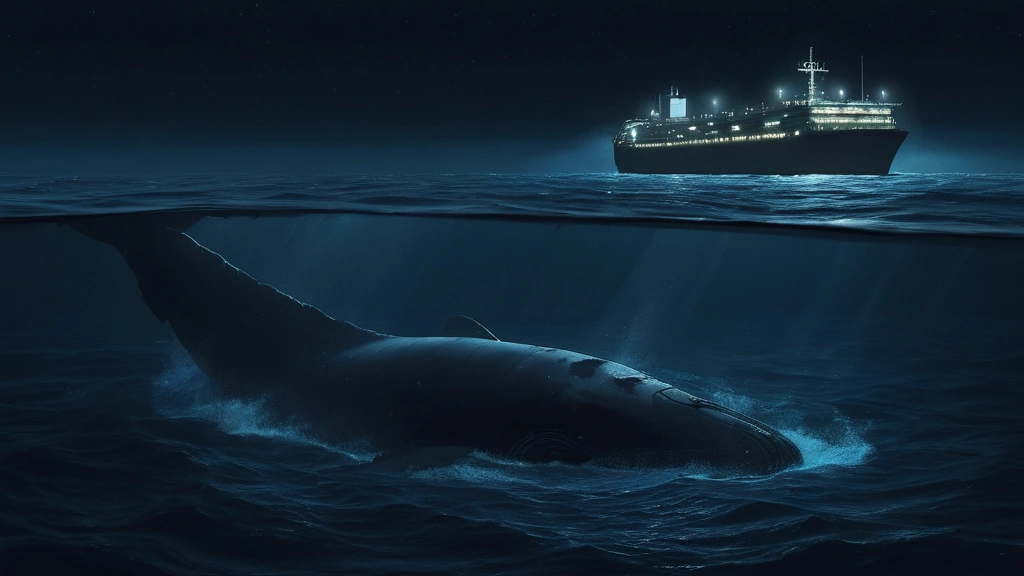
The study highlights a dangerous vertical overlap between whales and vessels. Right whales typically feed close to the sea floor during the day but follow zooplankton higher up in the water column at night. Large ships extend into the water approximately 10 to 15 metres, creating a zone where nighttime feeding whales intersect with ship drafts.
Collisions with vessels and entanglements in fishing gear are the leading causes of death for the North Atlantic right whale population, which is estimated to be approximately 384 whales. To analyze the data, Kirkham used daytime video observations to train a machine learning algorithm to recognize right whale feeding behavior at night.
Current protection measures for the species are overseen by Transport Canada and Fisheries and Oceans Canada. Fisheries and Oceans Canada stated that these measures focus on preventing entanglements and enforcing seasonal fishing closures and vessel exclusion zones. However, the study found that tagged whales spent about 25% of their feeding time outside these designated exclusion zones.