Supreme Court of Canada Rules Judges Must Holistically Consider Indigenous Incarceration and Victimization in Sentencing
In a 5-4 decision in R v Cope, the Supreme Court of Canada ruled that sentencing judges must consider both the disproportionate incarceration of Indigenous persons and the disproportionate violence against Indigenous women and girls as intertwined issues, encouraging restorative alternatives to longer prison terms.
The Supreme Court of Canada issued a historic ruling in October in R v Cope, establishing that judges must holistically consider both the grossly disproportionate rate at which Indigenous persons are incarcerated and the grossly disproportionate rate at which they are victims of violent crimes during sentencing.
Justice Michelle O’Bonsawin wrote for a 5-4 majority in the decision. She stated that the overrepresentation of Indigenous people as offenders and as victims are deeply intertwined products of settler colonialism. The ruling clarifies that these factors cannot be treated as competing considerations in court.
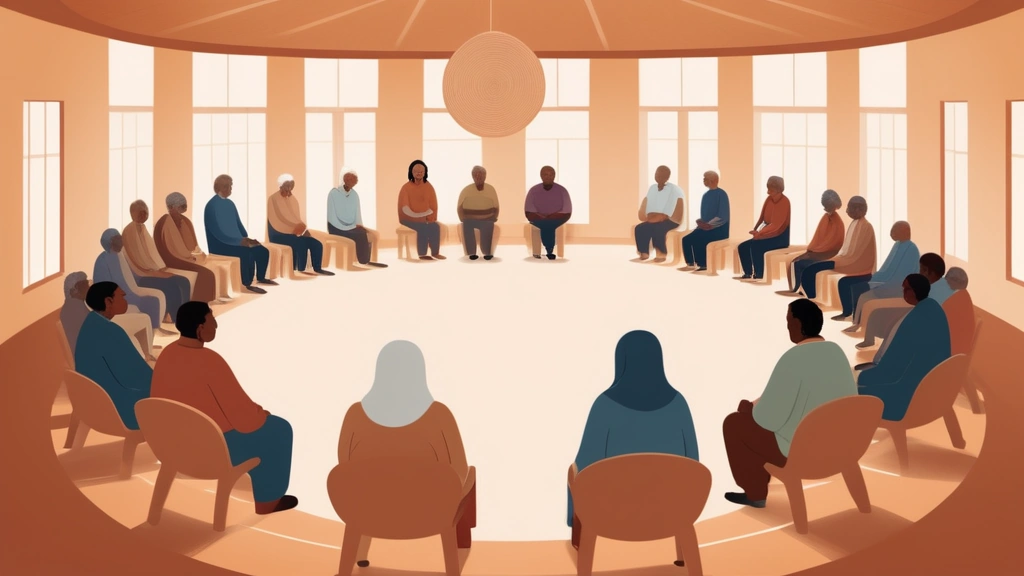
The decision directs sentencing judges to let go of the assumption that violent crime can only be deterred by longer periods of incarceration. It encourages the use of alternatives informed by Indigenous legal traditions, such as sentencing circles, which started in the Yukon and Saskatchewan and draw on Indigenous traditions of healing circles and community deliberation.
The R v Cope ruling builds upon decades of reform efforts in Canada. Section 718.2(e) was added to the Criminal Code in 1996, directing judges to consider alternatives to jail with particular attention to the circumstances of Indigenous offenders. The Supreme Court further clarified how sentencing practices needed to change for Indigenous offenders in its 1999 R v Gladue decision.
A study by Benjamin Ralston and Tamara (Baldhead) Pearl noted that some judges previously viewed provisions regarding Indigenous victims and offenders as introducing a legal paradox.
Legislative efforts also shaped the context for the ruling. The National Inquiry into Missing and Murdered Indigenous Women and Girls released its final report in 2019. That same year, Senator Lillian Dyck proposed legislation to direct judges to take violence against Indigenous women and girls more seriously. After her initial proposal was rejected by the House of Commons in April 2019, Parliament accepted amendments proposed by Senator Dyck later in 2019. Those amendments directed sentencing judges to focus on deterrence and denunciation of violence against Indigenous women and girls.
While the decision provides clarification of the law requiring holistic consideration of Indigenous offender and victim circumstances, it also highlights the need for resources to support Indigenous communities in establishing restorative justice measures, indicating a long road ahead for proper implementation.