Supreme Court of Canada hears Nova Scotia inmates' challenge over jail lockdowns
The Supreme Court of Canada has reserved its decision after hearing arguments from two Nova Scotia inmates who challenged being locked in their cells for up to 23 hours a day due to staffing shortages. The case centers on whether habeas corpus can be used to address operational issues in correctional facilities.
The Supreme Court of Canada heard a full day of arguments in a case brought by Durrell Diggs and Ryan Taylor Wilband, two inmates held at the Central Nova Scotia Correctional Facility, commonly known as Burnside jail, in Dartmouth, N.S. The panel reserved its decision without indicating when it would be issued.
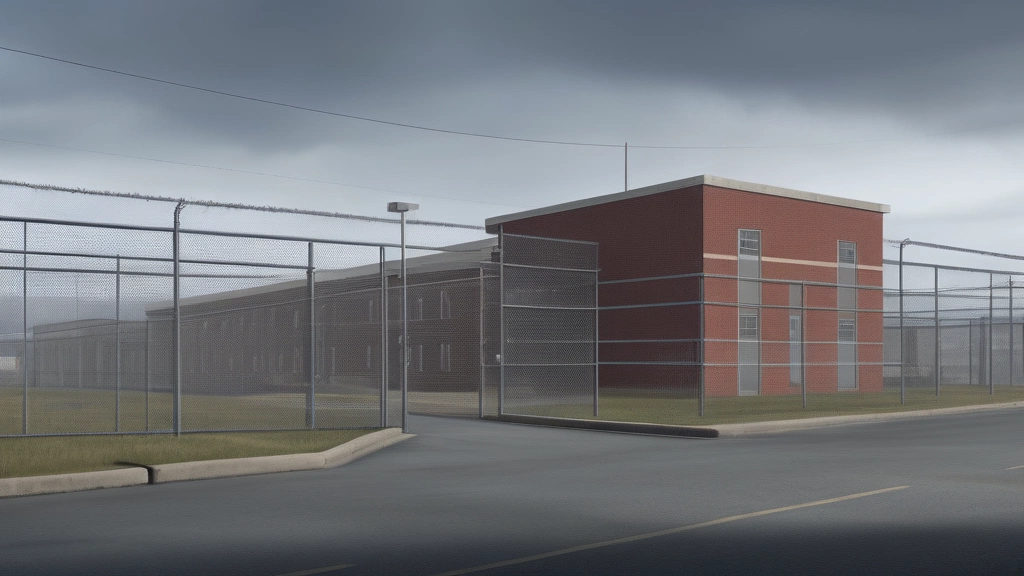
During a period of staffing shortages at the facility, the inmates were locked in their cells for up to 23 hours a day. They challenged these conditions through habeas corpus applications, arguing that the extended confinement violated their constitutional rights.
In 2024, Justice Peter Rosinski of the Nova Scotia Supreme Court ruled that the extended lock-downs violated the inmates' rights and declared them illegal, though he did not order their release. However, in March 2025, the Nova Scotia Court of Appeal reversed that ruling. The appeal court determined that habeas corpus was not the correct legal mechanism for addressing jail lockdowns tied to operational matters and found that the lower court judge had exceeded his authority.
Lawyers representing Diggs and Wilband argued before the country's top court that the Court of Appeal's decision created a "technical exception" to habeas corpus jurisdiction for operational reasons, describing the move as "dangerous and unwarranted."
By the time the hearings took place, conditions for both men had changed. Diggs was transferred to a different provincial jail in Pictou County where staffing was sufficient, while improved staffing levels at Burnside jail allowed Wilband to spend more time out of his cell. Citing these changes, the provincial government argued that the habeas corpus applications were moot and maintained that the legal tool should not apply to broad operational issues such as staffing shortages.

The proceedings drew significant outside interest. Interveners in the Supreme Court case included the Attorney General of Canada, along with the attorneys general of British Columbia, Saskatchewan, and Ontario. Six prisoners’ rights groups and two civil liberties associations also intervened.
The outcome of the case carries potential far-reaching implications for inmates in jails and prisons across Canada regarding the applicability of habeas corpus to operational conditions like staffing shortages.