Trump’s Import Ban on Canadian Alcohol, Dairy, and Motorcycles Takes Effect
U.S. President Donald Trump implemented a ban on imports of Canadian alcohol, certain dairy products, and motorcycles effective September 29 at 12:01 a.m. Eastern time. The measure, enacted via executive orders signed on September 8, is a response to retaliatory counter-tariffs by the Canadian government. While some economists view the impact as symbolic, industry leaders warn of significant financial losses and supply chain disruptions.
A new U.S. import ban targeting Canadian alcohol, specific dairy products, and motorcycles went into effect on September 29 at 12:01 a.m. Eastern time. The restrictions were established through executive orders signed by President Donald Trump on September 8.
The move is a direct response to retaliatory counter-tariffs imposed by the Canadian government. Those Canadian measures were triggered in August after the United States introduced 50 per cent tariffs on hundreds of Canadian goods valued at approximately C$28 billion. In characterizing the trade relationship, Trump accused Canada of being "entitled" and stated that the country takes advantage of its relationship with the U.S., noting that Canada receives 95 per cent of the business it conducts with the United States.
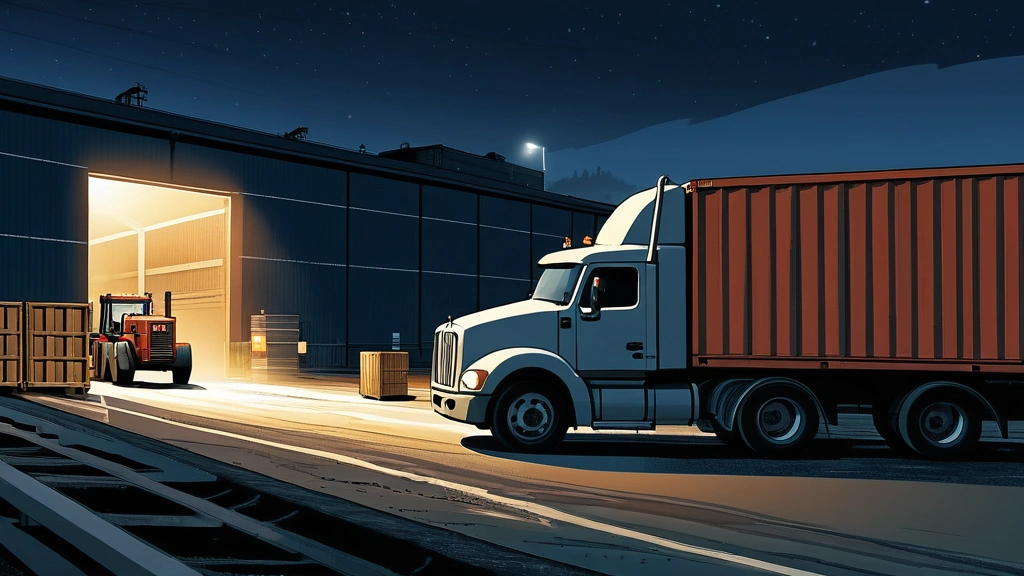
For Canadian businesses, the deadline created immediate operational pressure. Craig Peters, founder and CEO of Maverick Distillery, reported shipping tractor trailers across the border before midnight to avoid the ban. Peters noted that his company typically sent 20 to 25 per cent of its product to the U.S., a figure that would now drop to zero.
Candace Laing, president and CEO of the Canadian Chamber of Commerce, described the situation as "a tornado of changes at once, intended to overwhelm."
Industry groups have expressed concern over the long-term economic consequences. Spirits Canada stated that about half of the nearly $2 billion in product its industry produces annually is shipped to the U.S., and last year, 93 per cent of all exported spirits was headed to the American market. Richard Alexander, president of Beer Canada, pointed out that while more than 90 percent of beer bought in Canada is brewed domestically, the ban turns a 50 percent tariff into a closed border for Canadian brewers with U.S. customers, with no exemption under CUSMA.
Dan Paszkowski, president and CEO of Wine Growers Canada, warned that even a temporary loss of access can have lasting consequences because relationships take years to establish. Dairy Farmers of Canada also expressed disappointment that certain dairy exports were targeted. Statistics Canada reported just over $700 million in dairy exports to the U.S. in 2024.
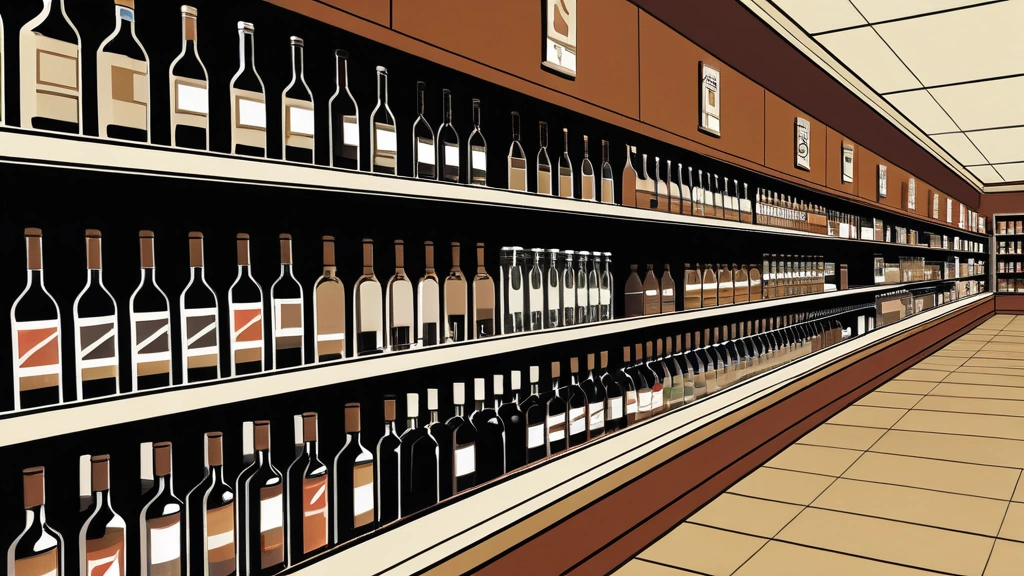
Despite these warnings, Joseph Steinberg, an economics professor at the University of Toronto, argued that the newly-banned products account for a very small share of trade with the United States. Steinberg suggested the impact is more symbolic than material, noting it is mostly in retaliation to Canada’s provincial bans on U.S. alcohol initiated since last year. Currently, all provinces and territories except Alberta and Saskatchewan maintain their bans on the sale of U.S. alcohol products.
Trade negotiations between the two countries remain paused. This follows Prime Minister Mark Carney’s statement in August that Canada walked away from a bad deal. Carney cited three main issues with the proposed agreement: last-minute tariff changes favoring the U.S., U.S. influence on Canada's ability to create trade partnerships with other nations, and undisclosed requirements undermining French Canadian language and cultural values. Jamieson Greer, Trump’s trade czar, said the president was "comfortable" with the current pause in talks and there was "no urgency" to return to the bargaining table.