Trump Bans Canadian Alcohol Imports, Exempting Bulk Shipments
U.S. President Donald Trump has signed executive orders banning imports of packaged Canadian alcoholic beverages effective September 29, while exempting bulk shipments to encourage U.S.-based bottling.
U.S. President Donald Trump has signed executive orders prohibiting the import of a broad range of Canadian alcoholic beverages, including packaged cider, beer, wine, rye, and vodka. The bans are scheduled to take effect on September 29.
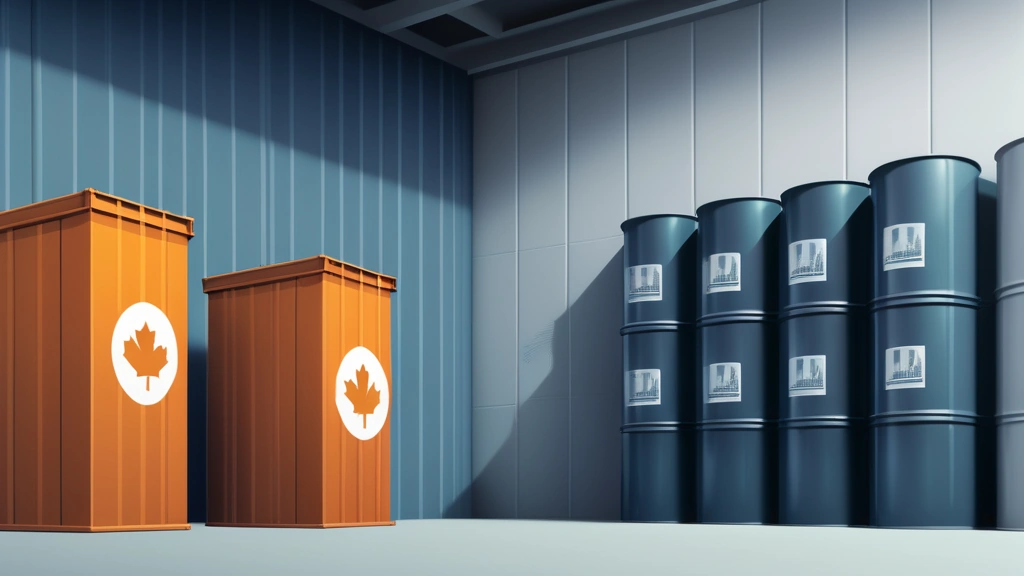
The restrictions target consumer-packaged goods, which account for 87.6 per cent of all banned items by dollar value. In 2025, alcohol from Canada represented US$854-million in imports to the United States. However, a significant exemption allows whisky and liqueur shipped in bulk containers larger than four litres to continue crossing the border without facing the previous 50-per-cent tariff. Trade experts suggest this distinction is designed to shift bottling and value-added work to the U.S., favoring large multinational producers with established cross-border supply chains over smaller Canadian producers who lack the infrastructure for bulk shipping.
The disparity in trade volumes between packaged and bulk goods is stark. Whisky shipments in containers of four litres or less accounted for roughly US$168-million in trade from Canada in 2025, compared with about US$43-million for whisky in larger containers. Similarly, liqueurs and cordials in small containers represented about US$384-million in 2025 trade, versus only US$3-million for those in bulk containers. Nearly half of all Canadian production of spirits is destined for the U.S. market. In 2024-25, Canada exported $1.4-billion worth of alcoholic beverages to the United States, accounting for about 90 per cent of the country’s total alcohol exports. The Canadian spirits sector contributed approximately $5.8-billion to Canada’s GDP in 2024 and supports more than 48,800 full-time equivalent jobs.

This escalation follows Canada's imposition of retaliatory tariffs on August 22, targeting approximately $28 billion worth of U.S. exports at duty rates of 15 to 50 per cent. Trump's Section 338 tariffs had previously hit some five per cent of Canada’s exports to the United States. While some products like road salt, cement, toilet paper, and fishing rods were removed from the U.S. tariff list due to domestic pressure, new products of similar value were substituted. These additions and removals take effect Sept. 15. New product bans include motorcycles, some dairy products like whey and cheese, and molasses. Items removed from the U.S. tariff list are valued at roughly US$1.7 billion, and the new targets are worth about the same amount.
Stephen Brown, chief North America economist at Capital Economics, estimated that Trump’s new import bans will apply to 0.25 per cent of Canada’s exports to the United States, or 0.03 per cent of total U.S. imports. Despite the marginal impact on wider economies, specific industries face significant disruption. For example, Moosehead Breweries sells its beer in the U.S., which consumes 15 per cent of its volume, but does not expect to move production south or export bulk beer for bottling in the U.S. Last year, Canadians bought $9.2-billion worth of beer, while Canadian sales to the U.S. amounted to just $28-million, most of which was made by Moosehead.